

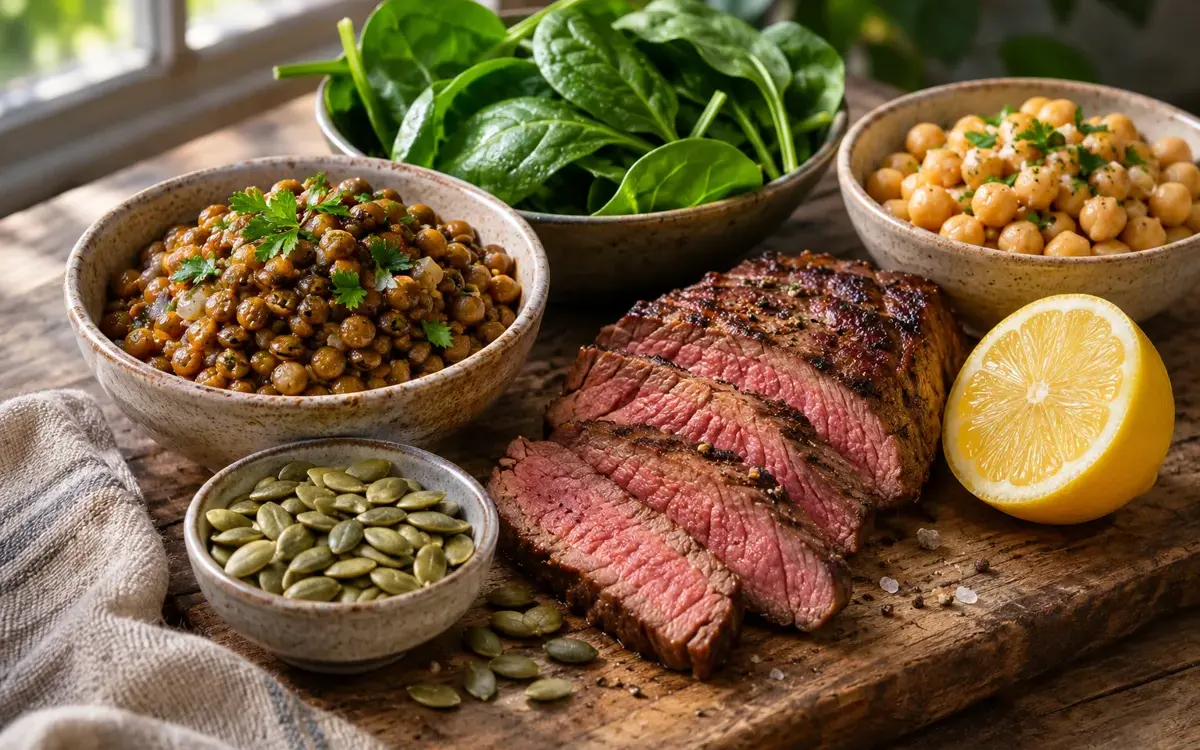
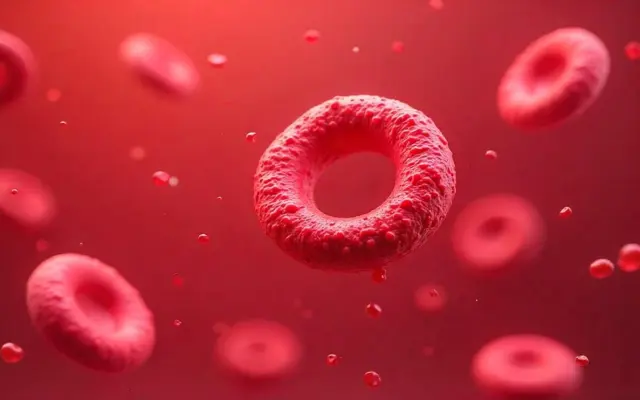
Iron is one of those nutrients most of us only think about when we feel tired. Yet it is central to everyday eating: your body needs it to make haemoglobin, the part of red blood cells that carries oxygen. The good news is that a varied, balanced diet supplies what most people need, and a few simple habits at the table can help your body absorb more of it. This guide covers the foods to know, the pairings that work, and the things that get in the way.
Why iron matters
According to MedlinePlus, iron is needed to make haemoglobin and myoglobin, the oxygen-carrying proteins in blood and muscle. The body cannot make iron, so it has to come from food. The NHS notes that a lack of iron can lead to iron deficiency anaemia, and the WHO describes iron deficiency as the most common nutritional deficiency leading to anaemia. The WHO estimates that around 30% of women aged 15–49 worldwide were affected by anaemia in 2019.
This article is about everyday food choices. It is not a way to diagnose or treat anything: tiredness has many causes, and only a blood test can show whether your iron is low.
How much iron do you need?
Official figures differ a little between countries:
- United States (Dietary Reference Intakes, as listed by MedlinePlus): 8 mg a day for adult men; 18 mg a day for women aged 19–50; 8 mg a day for women 51 and older; 27 mg a day during pregnancy; 9 mg a day while breastfeeding (adult women).
- United Kingdom (NHS): 8.7 mg a day for men aged 19 and over; 14.8 mg a day for women aged 19–49; 8.7 mg a day for women aged 50 and over.
The NHS says most people can get all the iron they need from a varied diet. Women with heavy periods, pregnant women and some other groups have higher needs, so speak to a doctor or registered dietitian if this applies to you.
Iron-rich foods to put on your list
MedlinePlus and the NHS list these among good sources:
- Animal foods: lean red meat (especially beef), poultry (dark meat), eggs (especially yolks), salmon, tuna, oysters and other shellfish. Liver is a rich source, but the NHS advises avoiding it during pregnancy.
- Beans and lentils: kidney beans, chickpeas, edamame, soybeans and other dried beans and peas.
- Dried fruit: apricots, prunes and raisins.
- Nuts and seeds: almonds and Brazil nuts are named by MedlinePlus.
- Leafy greens: spinach, kale, collards, broccoli and asparagus.
- Grains: iron-fortified breakfast cereals, whole grains such as oats, millet and brown rice.
MedlinePlus points out that iron from vegetables, fruit, grains and supplements is harder for the body to absorb than iron from animal foods. That does not make plant sources unimportant; it just means pairing and timing matter more, as below.
Pairings that help you absorb more iron
- Add vitamin C to the same meal. MedlinePlus lists citrus, strawberries, tomatoes and potatoes as vitamin C–rich foods that increase iron absorption, and the WHO advises eating vitamin C–rich fruit and vegetables alongside iron-rich foods.
- Combine plant iron with a little meat, fish or poultry. According to MedlinePlus, mixing some lean meat, fish or poultry with beans or dark leafy greens can improve absorption of the plant iron up to three times.
- Cook in cast iron. MedlinePlus notes that cooking in a cast-iron skillet can increase the amount of iron in food.
What can get in the way
- Tea and coffee with meals. MedlinePlus explains that black tea contains substances that bind dietary iron; the WHO lists tea, coffee, cocoa, bran and calcium among things that slow absorption. A simple habit is to leave a gap between your cup of tea and your iron-rich meal.
- Calcium supplements. The WHO suggests taking calcium and iron supplements at different times of day.
Simple ideas for the week
- Breakfast: an iron-fortified cereal or porridge oats topped with strawberries and a handful of chopped almonds, with orange juice on the side.
- Lunch: a lentil or chickpea salad with tomatoes, peppers and lemon juice. Our Chana Masala is an easy way to get chickpeas and tomato in one bowl.
- Dinner: a small portion of lean beef or chicken stir-fried with broccoli and red pepper, served with brown rice.
- Greens with eggs: try our Persian spinach and eggs skillet, then finish the meal with fruit.
- Snack or dessert: a few dried apricots with a mandarin, or our Winter Citrus Salad next to a bean-based main.
Tips for plant-based eaters
If you eat little or no meat, build meals around beans, lentils, tofu or soy, whole grains, nuts, seeds and dark leafy greens, and add a vitamin C source at each meal. Keep tea and coffee away from those meals. Fortified cereals can help, and a registered dietitian can look at your whole diet and, if needed, arrange a blood test.
Who should be careful
- Do not self-prescribe iron supplements. The NHS says doses over 20 mg can cause constipation, nausea and stomach pain, and very high doses can be fatal, especially for children. Keep supplements out of children’s reach.
- People with hemochromatosis (a genetic condition that causes the body to absorb too much iron) should follow their doctor’s advice and not take iron supplements, as MedlinePlus explains.
- Pregnant or breastfeeding women: needs change, and some foods (such as liver) are advised against in pregnancy. Ask your midwife or doctor.
- Heavy periods, constant tiredness, shortness of breath, pale skin or other symptoms: see a doctor. The NHS says iron deficiency anaemia is diagnosed with a blood test and treated according to its cause.
- Babies and young children have special iron needs; follow your paediatrician’s guidance.
- People on medication, with chronic conditions, or who are pregnant or breastfeeding should talk to their doctor before making big changes to their diet.
This article is for general information and does not replace advice from your doctor or dietitian.
Sources
- Iron in diet — MedlinePlus, U.S. National Library of Medicine
- Vitamins and minerals: Iron — NHS (UK)
- Iron deficiency anaemia — NHS (UK)
- Anaemia fact sheet — World Health Organization
Kommentare