

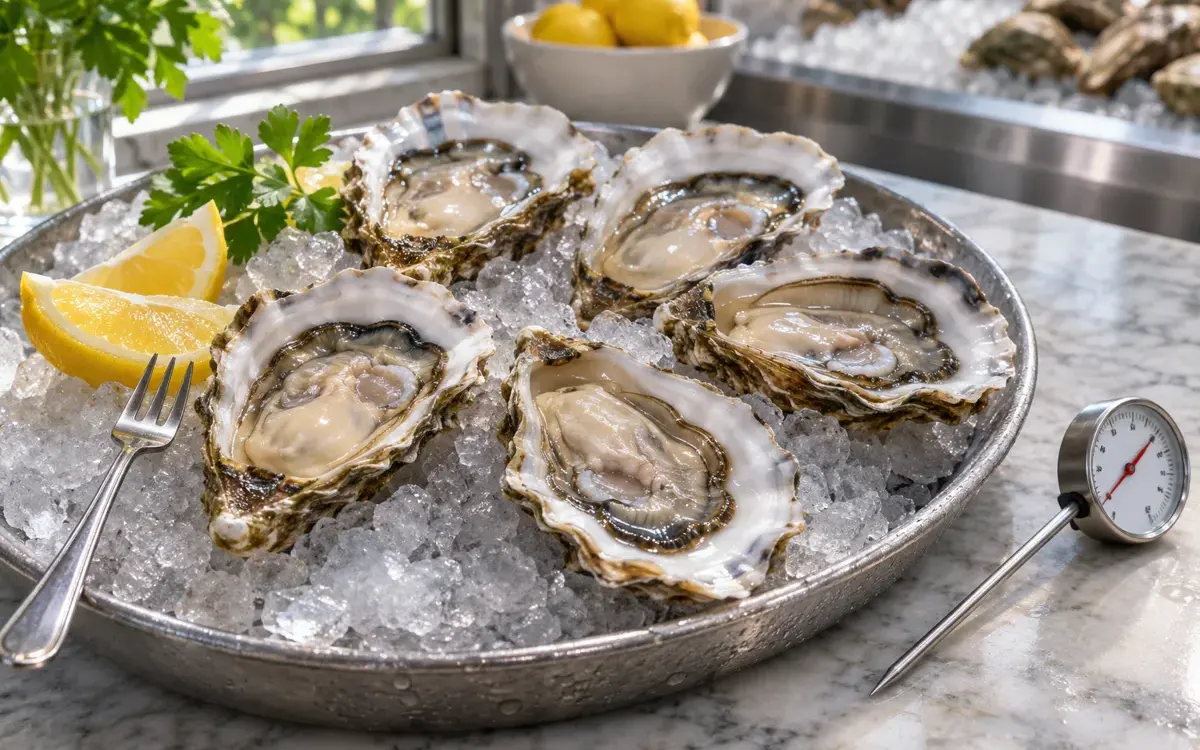
Short answer: A Salmonella outbreak linked to whole Virginia oysters has made 28 people ill in 13 states, according to the CDC’s October 30, 2026 update. The oysters came from Little Wicomico Oyster Company and were harvested between September 18 and October 8, 2026. They were recalled on October 9 and should no longer be on sale. If you froze any, do not eat them.
What happened
On October 9, 2026, Little Wicomico Oyster Company voluntarily recalled whole (shellstock) oysters harvested from the Little Wicomico River area in Virginia, and contacted its customers. The Virginia Department of Health temporarily closed the harvest area as a precaution. The CDC opened its outbreak notice on October 19 and updated it on October 30.
As of that update, the CDC reports 28 illnesses, 5 hospitalizations and no deaths across 13 states, one more case than in the previous update. The investigation is still open, and the CDC notes that the true number of sick people is likely much higher than the number reported. The FDA names the strain as Salmonella Telelkebir and says the illnesses were identified in a cluster being investigated by the CDC, the FDA and state authorities.
Which oysters are affected
- Company: Little Wicomico Oyster Company (shellfish certificate VA-1421-SP).
- Product: whole shellstock oysters.
- Harvest area: Little Wicomico River and Little Wicomico River Lower, Virginia.
- Harvest dates: September 18 to October 8, 2026.
- Not included: oysters from other Virginia growing areas.
The FDA lists distribution to 17 jurisdictions: California, Colorado, Connecticut, Washington DC, Delaware, Florida, Georgia, Illinois, Maryland, Missouri, North Carolina, New Jersey, Nevada, New York, Pennsylvania, Texas and Virginia. It adds that the product may have been distributed further.
What you can do
- Check your freezer. Recalled oysters are past their shelf life. If you froze oyster meat, check whether it came from the recalled lot. If it did, do not eat it: throw it away or return it.
- Clean up. Wash items and surfaces that may have touched the oysters with hot soapy water or in a dishwasher.
- Ask when in doubt. If you are unsure where oysters came from, ask your seafood seller or restaurant about the harvest area and date.
- Do not rely on your senses. The FDA warns that food containing Salmonella may look, smell and taste normal.
Restaurants and retailers are advised not to sell or serve the recalled oysters and to clean and sanitize anything that touched them.
Symptoms and who is most at risk
The CDC says symptoms usually start 6 hours to 6 days after exposure, and most people recover without treatment in 4 to 7 days. Children under 5, adults 65 and older and people with weakened immune systems are at higher risk of severe illness. The CDC advises contacting a healthcare provider right away for diarrhea with a fever above 102°F, diarrhea lasting more than 2 days without improvement, bloody diarrhea, vomiting that prevents keeping liquids down, or signs of dehydration. If you are worried about your own health, speak to your doctor.
Why it matters for home cooks
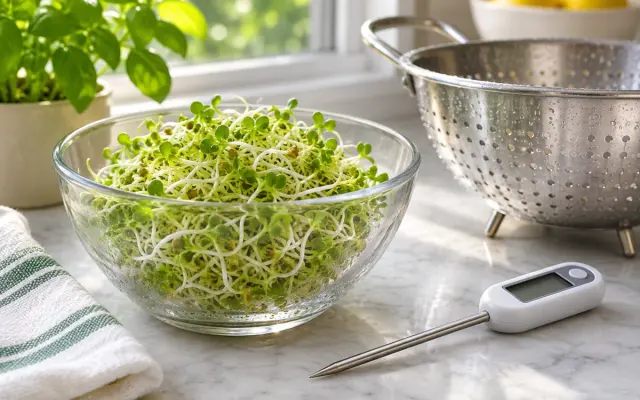
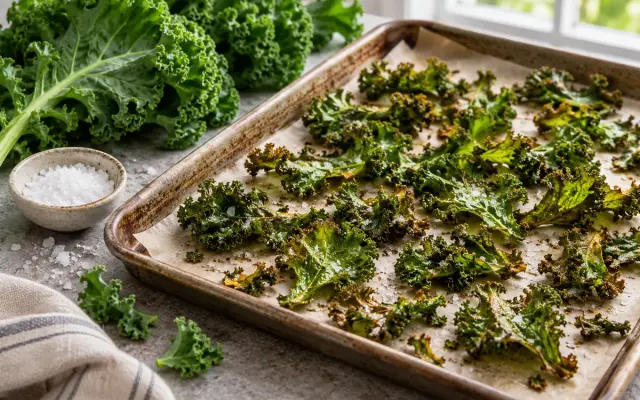
This is the second outbreak notice in recent weeks to touch home kitchens. See our earlier coverage of the broccoli sprout Salmonella outbreak and the kale chip recall. Planning a seafood appetiser for the holidays? Our make-ahead shrimp cocktail is a good place to start. We will update this story if the CDC or FDA publishes new information.
Last checked: November 10, 2026. This article is for general information and does not replace advice from your doctor or public health authorities.
Sources
- Salmonella Outbreak Linked to Raw Oysters – Centers for Disease Control and Prevention (updated October 30, 2026)
- Safety Alert for Salmonella: Oysters from Little Wicomico River, Virginia – U.S. Food and Drug Administration (updated October 30, 2026)
دیدگاهها