Eggs are among the most nutritious and affordable foods. They contain high-quality protein, vitamins, minerals and healthy fats, and they are easy to cook in many ways, from boiled and fried to omelets, baked dishes and desserts. Like any food, they suit most people but need some care for others.
What is in one large egg (about 50 g)
- About 70 calories
- 6 g of protein with all the essential amino acids, in the white and the yolk
- 5 g of fat, mostly unsaturated, and about 185 mg of cholesterol, all in the yolk
- Vitamins: B12, riboflavin, vitamin D and vitamin A
- Choline (about 150 mg): important for the brain, nerves and liver, and especially in pregnancy
- Lutein and zeaxanthin: plant pigments linked to eye health
- Minerals: iron, zinc, phosphorus and selenium
Potential benefits
- Fullness: an egg breakfast can keep you full longer than a carb-only breakfast.
- Muscle: complete protein supports muscle maintenance, especially for older adults.
- Brain and eyes: choline, lutein and zeaxanthin support the brain and the eyes as part of a balanced diet.
- Nutrition for little money: eggs are one of the cheapest sources of complete protein.
How many eggs can you eat?
Dietary cholesterol affects blood cholesterol much less than saturated fat does. For most healthy adults, up to about one egg a day fits a healthy diet, and some research suggests up to 7 a week does not raise heart risk. People with heart disease, diabetes or high cholesterol should ask their doctor how many are right for them. Egg whites are cholesterol-free, so omelets can mix 1 whole egg with extra whites.
Who should be careful
- Heart disease, diabetes or high cholesterol: ask your doctor about your own limit.
- Egg allergy: one of the most common food allergies, especially in children, and most often to the white. Avoid eggs completely if you are allergic, and read labels on baked foods.
- Food poisoning: raw or undercooked eggs can carry Salmonella. Pregnant women, young children, older adults and people with weak immunity should eat fully cooked eggs or pasteurized egg products.
Cooking tips and times
- Soft-boiled: 6 minutes from boiling water, then cold water.
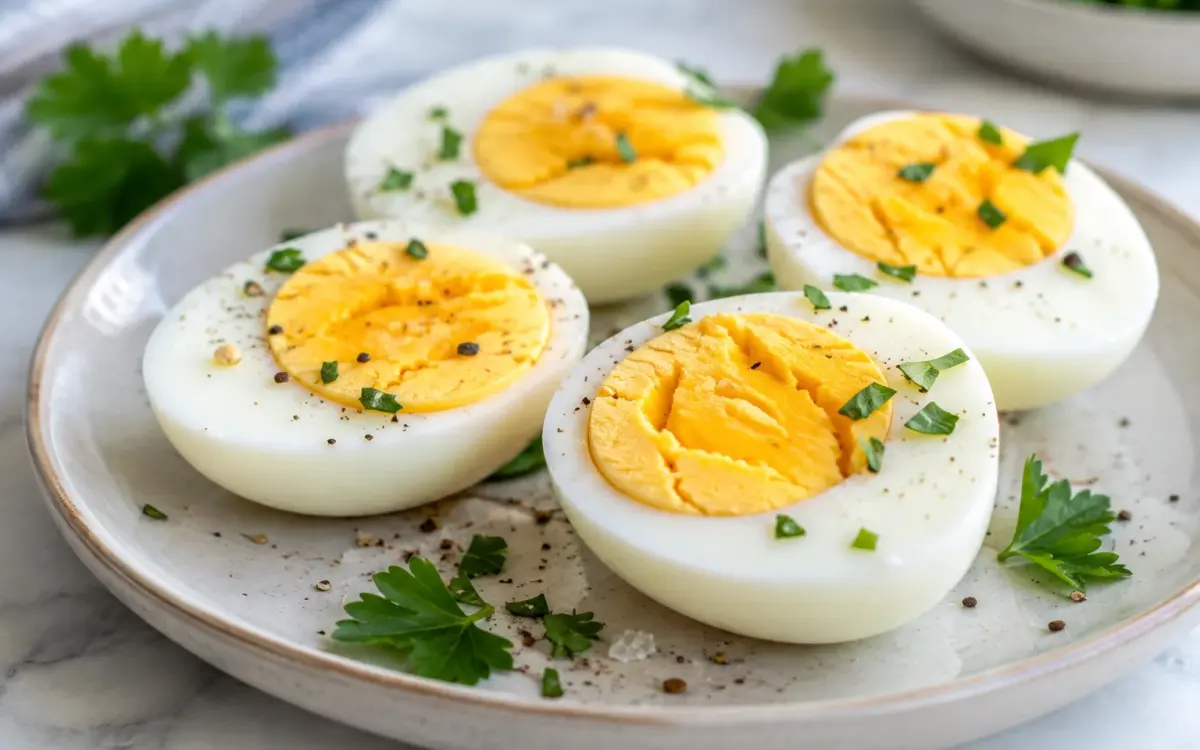
- Jammy: 7 to 8 minutes. Hard-boiled: 10 to 12 minutes. See our tips for flawless hard-boiled eggs.
- Scrambled: low heat and constant gentle stirring give creamy eggs; salt at the end.
- Fried: cook until the white is set and the yolk is thickened.
- Try Persian egg dishes such as kuku sabzi, mirza ghasemi and the classic tomato and egg breakfast.
How to choose and store eggs
- Choose eggs with clean, uncracked shells and check the date.
- Keep eggs in the refrigerator in their carton, on a shelf, not in the door.
- Raw eggs keep about 3 to 5 weeks; hard-boiled eggs keep about a week, in the shell.
- To test freshness, put an egg in a bowl of water: fresh eggs sink and lie flat; old eggs stand up or float and should be thrown away.
- Do not use cracked or dirty eggs. Wash your hands, boards and utensils after touching raw eggs.
Frequently asked questions
Are brown eggs healthier than white?
No. Shell color depends on the hen’s breed; nutrition is the same. Diet and housing affect the yolk’s vitamins.
Should I avoid the yolk?
No, for most people. The yolk holds most of the vitamins, choline and lutein.
This article is general information, not medical advice. If you have a health condition, talk to your doctor or a dietitian about your own diet.