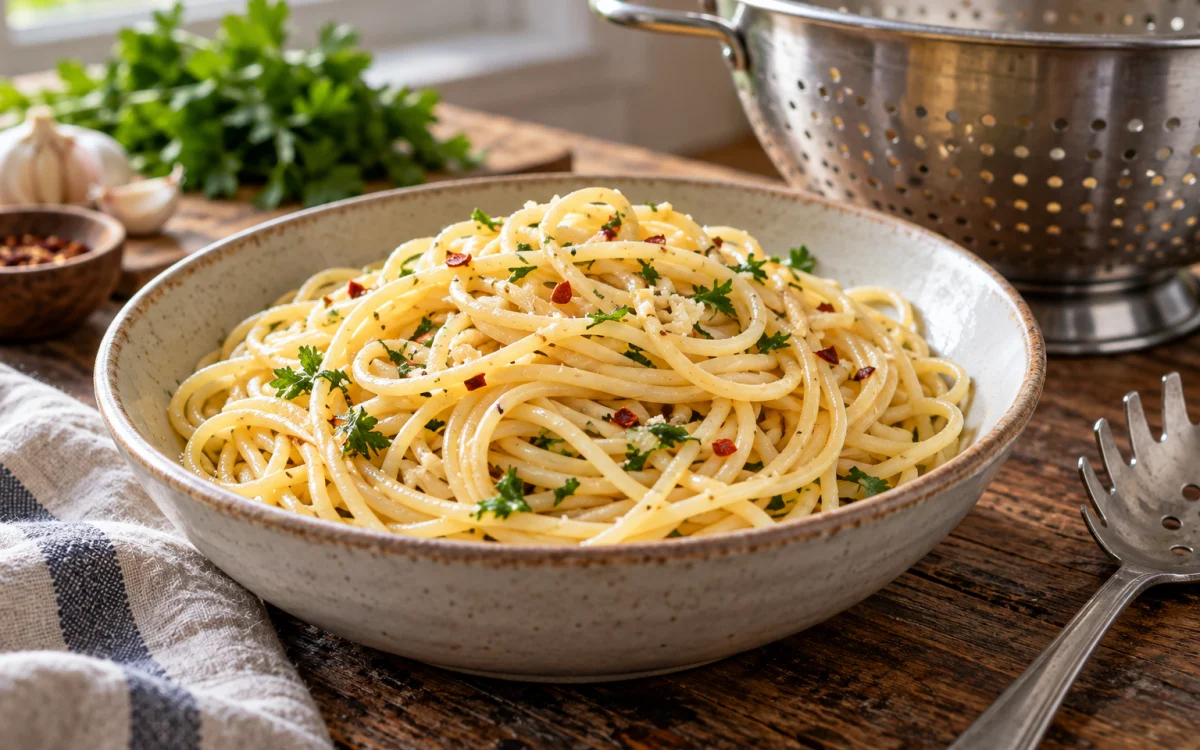
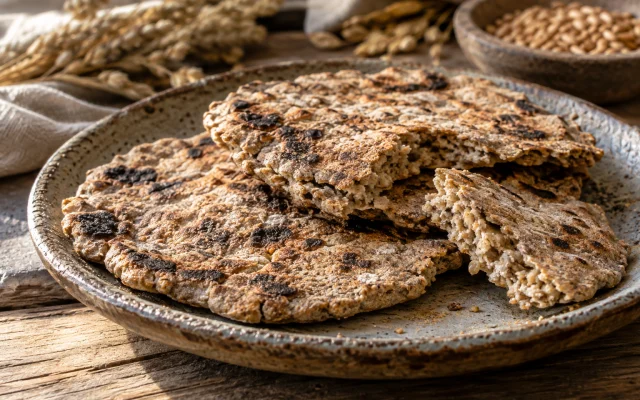
This photo represents how early versions of noodles and macaroni might have looked when they were first created centuries ago. Handmade with simple tools, these traditional forms reflect the humble beginnings of one of the world’s most beloved foods.
The Fascinating History of Pasta: Where Did Macaroni Come From?
Discover the real story behind pasta. Did Marco Polo bring it from China, or was it born in Italy? Uncover the truth about the origin of macaroni and why it became a global favorite.
A Brief Look at Pasta’s Origins
Pasta is one of the most beloved foods around the world — but where did it actually come from?
Some say it was invented in ancient China, while others believe it originated in Italy. Let’s explore both theories.
Pasta in Ancient China
In 2005, archaeologists found 4,000-year-old noodles in a bowl buried under sediment in northwestern China. These ancient noodles were made from millet, not wheat.
Some historians believe that Marco Polo, the famous Venetian explorer, brought the idea of noodles from China to Italy during his travels in the 13th century.
The Italian Origin Theory
On the other hand, many scholars argue that pasta existed in Italy long before Marco Polo.
• In Sicily, a tomb from the 4th century BC shows images of tools used to make pasta.
• By the 12th century, the city of Palermo was already producing dried pasta and exporting it across the Mediterranean.
This makes it likely that Italy independently developed its own version of pasta, especially the dry macaroni we know today.
A Global Favorite
Regardless of its origins, pasta has become a global comfort food. From spaghetti in Italy to ramen in Japan, it adapts to every culture, taste, and tradition.
Fun Fact
The word “macaroni” comes from the Italian maccheroni, which originally meant “handmade dough.”
Thank you so much for your thoughtful and detailed comment!
our newsletter is much more than just a simple update. Each week, we deliver exclusive recipes, practical tips about ingredients, fascinating behind-the-scenes stories including the origins of various dishes, and detailed insights into the benefits of foods. We also cover nutrition regulations and recommendations from trusted sources like the FDA and other reputable scientific organizations. Plus, we share handy cooking and nutrition tricks to help you cook smarter and live healthier.
This newsletter is sent out weekly to our valued community, and as a token of appreciation for your thoughtful attention, next week’s issue will be sent to you so you can experience the quality and depth of our content firsthand.
We truly appreciate your feedback—it’s exactly the kind of support that helps us grow and improve. Stay tuned!
Thank you so much for your thoughtful feedback!
The newsletter will include a mix of practical and lesser-known tips, exclusive behind-the-scenes content, useful tools, and of course, important updates.
I really like your idea about offering a preview—that’s definitely something I’ll consider.
For me, the most valuable part of the newsletter is building a closer connection with readers and sharing content that’s more in-depth, timely, or hard to come by.
I’d love to hear what kind of content you’d enjoy most or what you’d like to see more of