




ترجمهٔ خودکار · نمایش متن اصلی
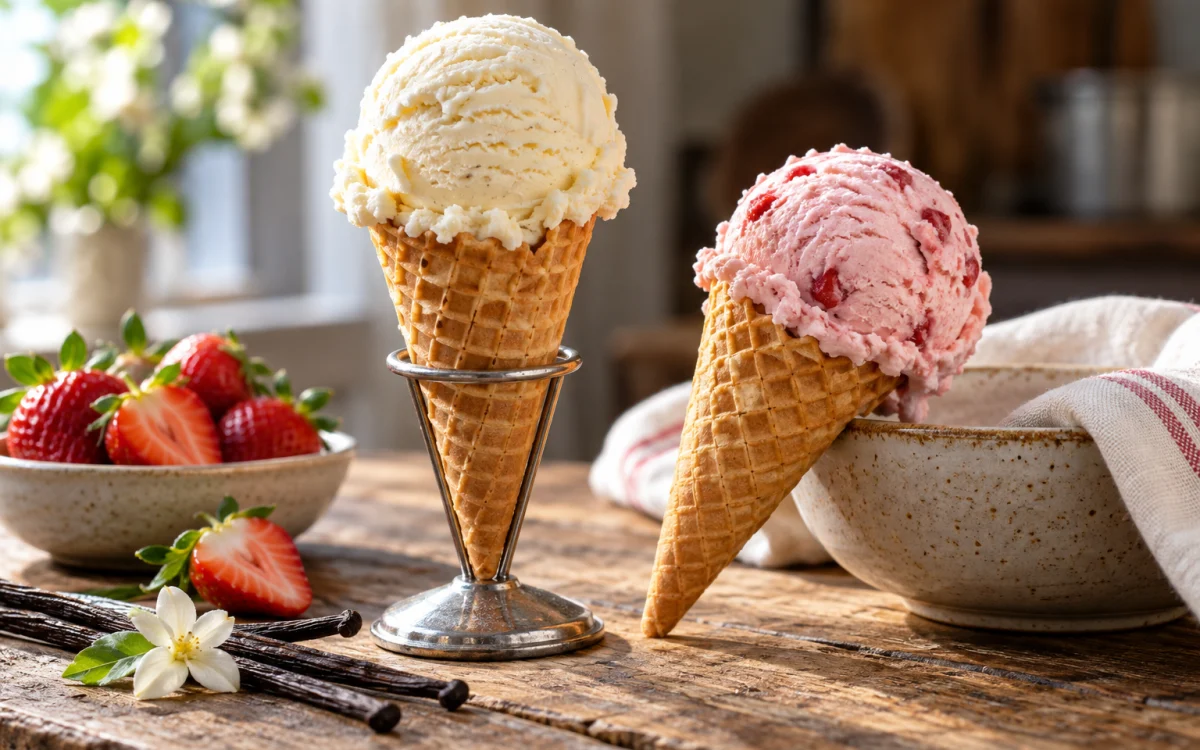
چه کسی بستنی قیفی را اختراع کرد؟ مثل بسیاری از غذاهای مشهور، بیش از یک مخترع دارد و داستان رایجِ یک لحظه در نمایشگاه جهانی فقط بخشی از تاریخ است. اینجا میخوانید دربارهٔ تولد قیف خوراکی چه میدانیم و چطور از یک چیز تازهٔ نمایشگاهی به خوراکی ضروری تابستان تبدیل شد.
پیش از قیف
در قرن نوزدهم، فروشندگان خیابانی در بریتانیا و آمریکا بستنی را در لیوانهای شیشهای کوچکی به نام «پنی لیک» میفروختند. مشتری بستنی را میلیسید و لیوان را پس میداد تا پاک و دوباره استفاده شود که اصلاً بهداشتی نبود. ظرف خوراکی این مشکل را حل کرد. کتابهای آشپزی اروپایی در قرن نوزدهم ویفرهای لولهشده و قیفهای پر از خامه یا بستنی را توصیف کرده بودند، پس ایده کاملاً تازه نبود.
اختراع ثبتشدهٔ ایتالو مارکیونی
ایتالو مارکیونی، مهاجر ایتالیایی که با گاری دستی در نیویورک یخ لیمویی و بستنی میفروخت، میگفت از دههٔ ۱۸۹۰ بستنی را در ظرف خوراکی فروخته است. در دسامبر ۱۹۰۳ او حق اختراع آمریکایی قالبی را گرفت که ویفرهای کوچک فنجانیشکل دستهدار میپخت. اختراعش بیشتر به فنجان خوراکی شبیه بود تا قیف نوکتیز امروزی، اما یکی از نخستین گامهای مستند است.
نمایشگاه جهانی سنتلوئیس ۱۹۰۴
قیف در نمایشگاه خرید لوئیزیانا در سنتلوئیس در سال ۱۹۰۴ مشهور شد. چند فروشنده بعدها ادعای ابتکار آن را کردند. مشهورترین داستان دربارهٔ ارنست حموی، مهاجر سوری، است که شیرینی نازک وافلمانندی به نام زلابیه میفروخت و یکی را برای فروشندهٔ بستنی همسایه که ظرفش تمام شده بود قیفی پیچید. دیگران، از جمله چارلز و فرانک منچز و آبه دومار، داستانهای مشابهی گفتند. تاریخدانان همنظرند که قیف در این نمایشگاه فروخته و محبوب شد، اما هیچ مخترع واحدی را نمیتوان ثابت کرد.
از نمایشگاه تا کارخانه
بعد از ۱۹۰۴ قیف بهسرعت پخش شد. نانواییها شروع به تولید انبوه قیف کردند و در ۱۹۱۲ فردریک بروکمن از پورتلند اورگن دستگاهی را ثبت کرد که قیفها را خودکار میپیچید و همین آنها را ارزان و در دسترس کرد. تا دههٔ ۱۹۲۰، هر سال میلیونها قیف در آمریکا ساخته میشد.
چرا این داستان مهم است
بستنی قیفی نمونهٔ خوبی از روش معمول اختراع غذاهاست: با بهبودهای تدریجی، آدمهای زیاد و کمی شانس، نه یک لحظهٔ جادویی. مشکل واقعیای را هم حل کرد و ظرفی خوردنی را جای لیوانهای تکراری گذاشت.
ایدهای خنک برای خانه
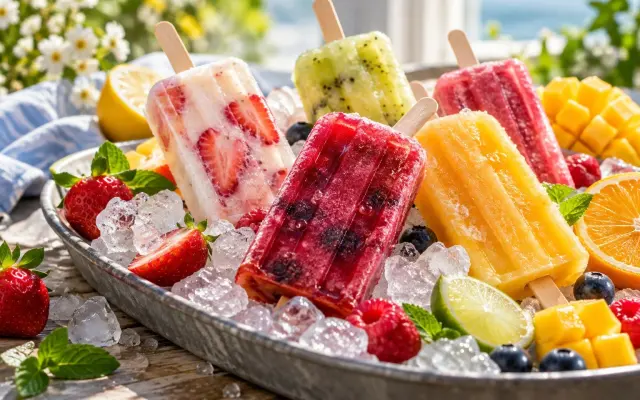
یک خوراکی یخی بدون فریزر پر از بستنی میخواهید؟ داستان بستنی چوبی ما را بخوانید و با ماست و توت در خانه بستنی میوهای درست کنید.
Thank you so much for your thoughtful comment! You’re absolutely right—the story of the ice cream cone is a great example of how simple ideas, backed by creativity and timing, can evolve into something truly global. Without the industrial boom of the early 20th century, it’s hard to imagine the ice cream cone becoming such a widespread favorite. Mass production made it accessible to everyone, turning it from a novelty into a part of everyday dessert culture. And today, it’s not just a container—it’s a symbol of summertime, joy, and sweet memories. Amazing how far one crunchy idea can go!
Thank you for your thoughtful comment!
You’re absolutely right—it’s amazing how a seemingly simple dessert like the ice cream cone has such a layered and rich history. The 1904 St. Louis World’s Fair really did act as a turning point, showcasing new ideas to a global audience and helping push the cone into the mainstream.
As for how cones have changed over the years—yes, definitely! Early cones were more like thin wafers and sometimes quite fragile. Today’s cones come in all sorts of textures and flavors—from crispy شکر cones to softer cake cones, and even chocolate-dipped varieties. The quality and consistency have certainly improved thanks to modern production methods.
When it comes to credit, it’s hard to choose just one person. While Italo Marchiony was a key figure, it truly was a collaborative evolution. The innovation spread rapidly thanks to many creative minds, each adding a new twist.
And yes, without events like the World’s Fair, it might’ve taken much longer for the ice cream cone to catch on. Public exposure on that scale was crucial!
Personally, I love classic شکر cones with a chocolate coating inside—it’s nostalgic and delicious. And yes, I think the cone is still evolving—now we even see gluten-free, vegan, and artistic cones filled with everything from gelato to sushi rolls!
Thanks again for joining the conversation
Thank you so much for this interesting and enthusiastic comment!
You’re absolutely right—the 1904 St. Louis World’s Fair was a significant and influential moment in the history of food. Just imagining that first experience of eating ice cream in a cone is truly exciting!
The early ice cream cones usually had a more brittle texture and were less sweet. Over time, the recipes evolved to improve both flavor and durability. That’s why today’s cones have reached a more refined level in terms of quality and taste.
Personally, I prefer the classic شکر cone—it’s both delicious and sturdy, perfect for holding a scoop of ice cream.
Thank you for your comment. We appreciate your feedback and are glad you enjoyed our content.