



The Mediterranean diet is one of the best-studied eating patterns in the world. It is based on the traditional food of countries such as Greece, southern Italy and Spain: lots of vegetables, fruit, legumes, whole grains, nuts and olive oil, with fish regularly and less red and processed meat. It often makes headlines as the “secret” to preventing heart disease and diabetes. Here is what the evidence really shows and how to eat this way at home.
What the Mediterranean diet includes
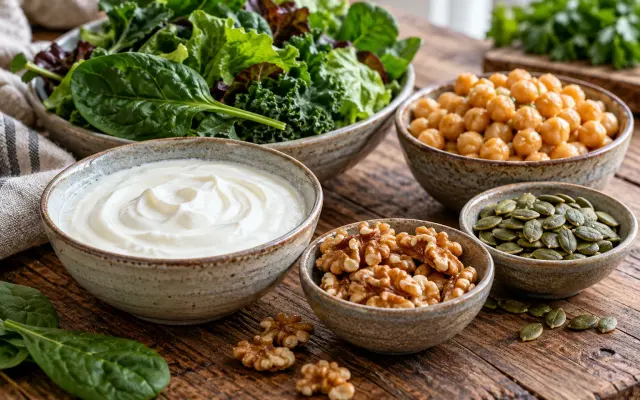
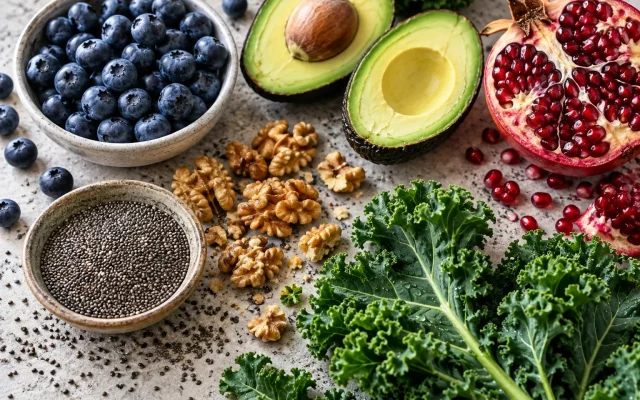
- Every day: vegetables, fruit, whole grains, legumes (lentils, chickpeas, beans), nuts and seeds, herbs and spices, and extra-virgin olive oil as the main fat.
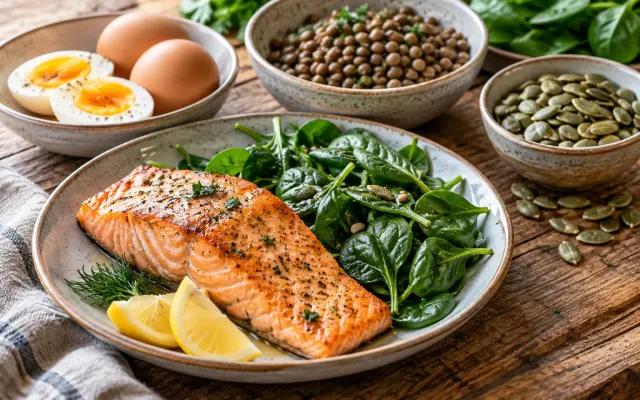
- A few times a week: fish and seafood, eggs, yogurt and cheese in moderate amounts, poultry.
- Less often: red meat, and sweets as an occasional treat.
- Rarely: processed meats, sugary drinks and highly processed snacks.
What the research shows
Heart disease
The strongest evidence comes from the PREDIMED trial in Spain, which followed about 7,400 adults at high cardiovascular risk for nearly five years. People who followed a Mediterranean diet with extra olive oil or nuts had about 30% fewer heart attacks, strokes and deaths from cardiovascular causes than people advised to follow a low-fat diet. Many observational studies point in the same direction.
Type 2 diabetes and weight
Observational studies and some trials link the Mediterranean pattern to a lower risk of developing type 2 diabetes and better blood sugar control in people who have it. It is not a weight-loss diet by design, but its fiber-rich, filling foods help many people manage their weight when portions are sensible.
What it is not
The Mediterranean diet is not a cure, and there is no single “secret” ingredient. The benefits come from the overall pattern, together with physical activity, not smoking and shared meals. It does not replace medicines your doctor prescribes.
How to start at home
- Cook with olive oil instead of butter for most dishes.
- Have legumes at least three times a week, for example a red lentil soup or roasted squash and chickpeas.
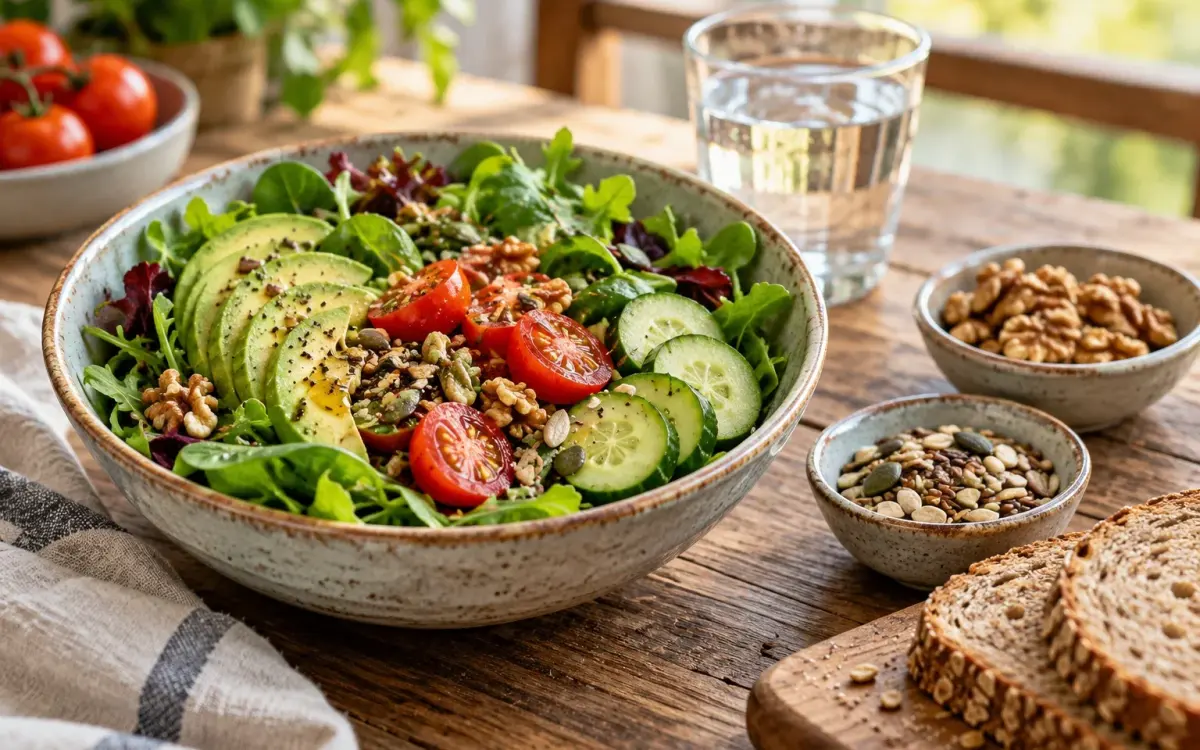
- Fill half your plate with vegetables or salad, such as a simple Shirazi salad.
- Choose whole-grain bread, bulgur or brown rice more often than white.
- Snack on a small handful of nuts or fruit instead of chips and sweets.
- Eat fish twice a week, including oily fish such as salmon or sardines.
Persian food and the Mediterranean pattern
Many traditional Iranian dishes fit well: herb-rich stews, legume soups like ash, kuku with fresh herbs, yogurt, and fruit for dessert. Keep portions of white rice and fried foods moderate, and use olive oil or a little vegetable oil instead of large amounts of butter or ghee.
Sources
- Estruch R. et al. Primary prevention of cardiovascular disease with a Mediterranean diet supplemented with extra-virgin olive oil or nuts (PREDIMED). New England Journal of Medicine, 2018
- World Health Organization: Healthy diet fact sheet
This article is general information, not medical advice. If you have a health condition, talk to your doctor or a registered dietitian.