




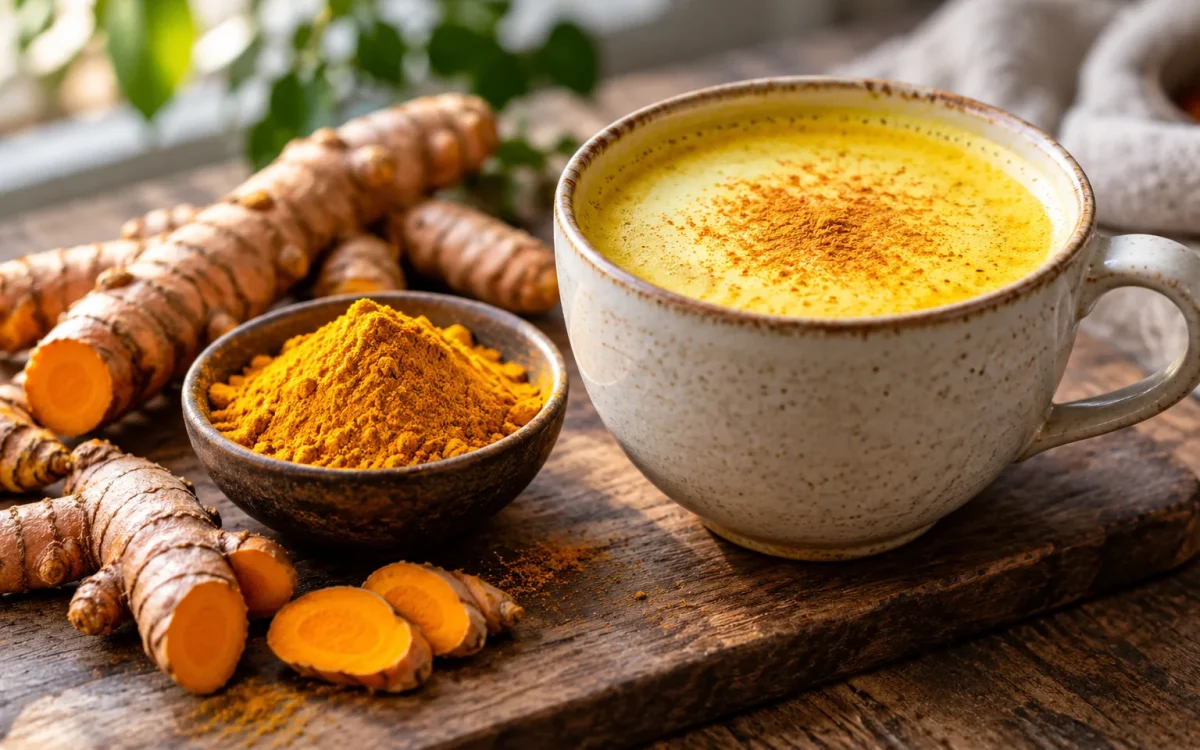
Turmeric is the golden spice from the root of Curcuma longa, used for centuries in South Asian and Iranian cooking and in traditional medicine. Its best-known compound, curcumin, has made turmeric one of the most researched spices in the world, and one of the most hyped. Here is what the research says, how to get the most from turmeric in food, and when supplements can be risky.
What curcumin does
In laboratory studies, curcumin has antioxidant and anti-inflammatory effects. Human research is much less clear. Some small, short trials suggest turmeric or curcumin extracts may ease joint pain in knee osteoarthritis and lower some markers of inflammation, but many studies are small, short or of low quality, and results are mixed. According to the U.S. National Center for Complementary and Integrative Health, there is not enough evidence to support turmeric for any specific health condition.
The absorption problem
Curcumin is poorly absorbed and quickly removed by the body. Two traditional pairings help:
- Black pepper: its compound piperine slows the breakdown of curcumin.
- A little fat: curcumin dissolves in fat, so cooking turmeric in oil or butter, or drinking it with milk, improves uptake.
Turmeric powder is only about 3% curcumin, so the amounts in food are much smaller than those used in studies. That is part of why food amounts are safe, and also why spice in your rice will not act like a medicine.
How to use turmeric in cooking
- Add 1/4 to 1/2 teaspoon to soups, stews, rice, lentils, eggs and roasted vegetables.
- Bloom it in warm oil for 30 to 60 seconds with onions before adding liquid, as in many Persian stews such as ghormeh sabzi.
- Pair it with black pepper and a little fat.
- Try a cozy turmeric latte made with milk and a pinch of pepper.
- Store it airtight, away from light; it stains, so wipe spills quickly.
Safety: food versus supplements
- Culinary amounts are safe for most people, including in pregnancy.
- Supplements are much more concentrated. Rare cases of liver injury have been reported, especially with high-dose or “high-absorption” products. Stop and see a doctor if you notice dark urine, yellow eyes or skin, or tiredness and nausea.
- Medicines: curcumin supplements may increase the effect of blood thinners such as warfarin and may interact with diabetes and some cancer medicines.
- Gallstones, kidney stones, stomach ulcers or bleeding disorders: avoid supplements unless your doctor approves.
- Pregnancy and breastfeeding: do not use supplements without medical advice.
- Quality: buy turmeric from trusted brands. Some cheap ground turmeric sold in parts of the world has been found to be adulterated with lead-based coloring.
The bottom line
Turmeric is a flavorful, colorful and low-risk addition to meals. Enjoy it in cooking, with black pepper and a little fat, but treat claims of dramatic health effects with caution, and talk to your doctor before taking curcumin supplements.
Sources
This article is general information, not medical advice. If you have a health condition, talk to your doctor or a registered dietitian.
Kommentare