
Everyone wants stew meat that is tender and melts in the mouth. Many home cooks swear by small tricks, such as adding a little grated nutmeg to the pot, a papaya leaf or a pinch of baking soda. Here is an honest look at what really makes meat tender, and what a pinch of spice can and cannot do.
Why stew meat gets tough
Tough cuts such as shoulder, neck, shank and brisket come from muscles that work hard, so they are full of connective tissue (collagen). Cooked quickly, collagen tightens and the meat turns dry and chewy. Cooked slowly in moist heat at around 85 to 95°C, collagen melts into gelatin, which makes the meat soft and the sauce silky.
What really tenderizes stew meat
- Time and low heat. Tough cuts need 1.5 to 3 hours of gentle cooking (lamb shoulder about 2 hours, beef chuck or shank 2.5 to 3 hours). Rushing does not work.
- The right cut. Choose cuts meant for stewing: chuck, shoulder, shank, neck, oxtail. Lean steak cuts such as sirloin or tenderloin dry out in a long stew.
- A gentle simmer. A rolling boil toughens meat. Keep the pot barely bubbling, with the lid on or slightly ajar.
- Browning first. Searing the meat in batches adds flavor (the Maillard reaction) but does not make it more tender; do not crowd the pan.
- A little acidity. A splash of lemon juice, vinegar, tomato, pomegranate molasses or yogurt softens the surface of the meat and balances richness.
- Salt at the right time. Season early or in the middle. Salt does not make meat tough in a stew, and the meat needs to be submerged; do not let the pot dry out.
- Cut against the grain and in big chunks. Pieces of 4 to 5 cm stay juicier than small cubes.
Where nutmeg comes in
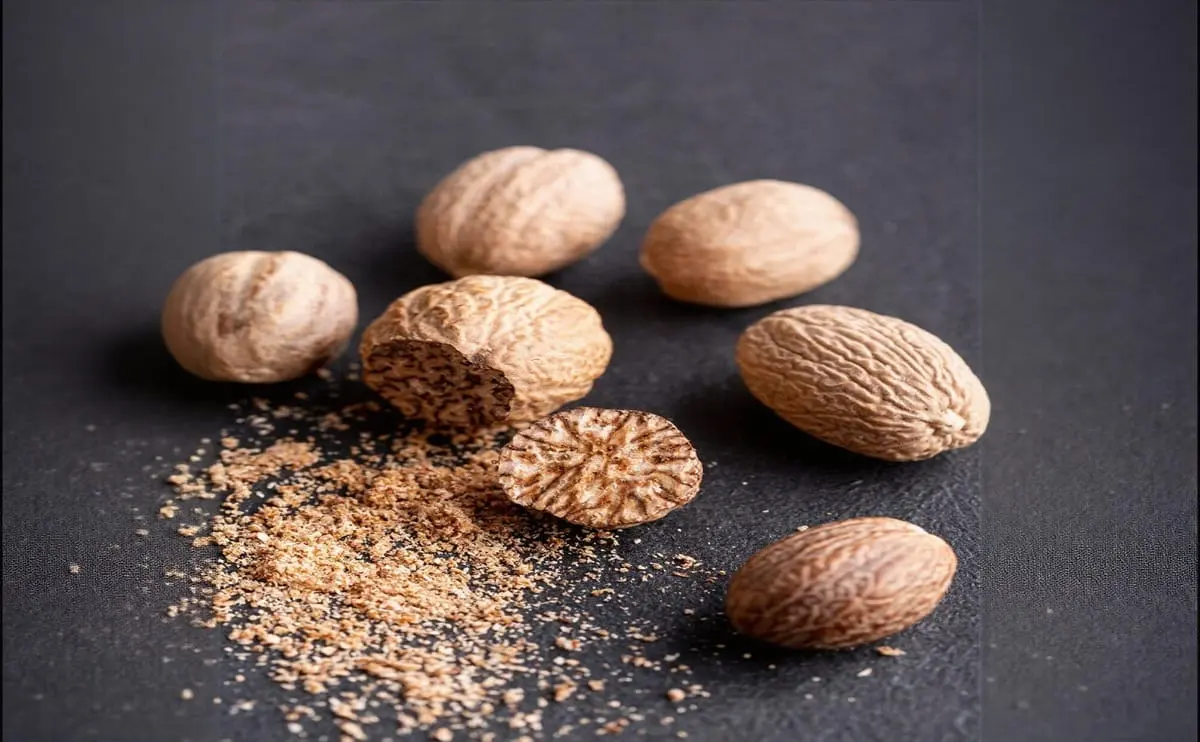
A small amount of freshly grated nutmeg is a traditional addition to meat stews, white sauces and meat dishes in Persian, Indian, Arab and European cooking. It adds a warm, sweet aroma and rounds out the flavor of the sauce. It is a flavoring, though: there is no solid proof that nutmeg itself makes the meat cook faster or become more tender, so rely on time and low heat for tenderness. Other folk tricks, such as boiling a whole walnut or a cork in the pot, are myths.
How much nutmeg to use (and safety)
- Use only a pinch: about one quarter teaspoon of freshly grated nutmeg for a stew serving four people.
- Add it in the last 10 to 15 minutes so the aroma stays bright.
- Large amounts are not safe and taste harsh: more than about 1 to 2 teaspoons (5 g) at once can cause nausea, dizziness and palpitations because of a compound called myristicin. Keep it a seasoning, and do not give it to children in large amounts or use it in pregnancy beyond normal food amounts.
- Buy whole nutmeg and grate it fresh; pre-ground nutmeg loses its aroma quickly.
A simple method for tender stew meat
- Cut 1 kg of lamb shoulder or beef chuck into 4 cm pieces and pat dry.
- Brown in batches in a hot pot with a little oil, then set aside.
- Fry sliced onions (and turmeric for Persian-style stews) in the same pot until golden. Add garlic.
- Return the meat, add 1 tablespoon of tomato paste and enough hot water or stock to almost cover the meat.
- Bring to a gentle boil, skim the foam, cover and simmer on the lowest heat for 2 to 3 hours until the meat falls apart with a fork.
- Add vegetables or beans in the last 30 to 45 minutes, and season, adding a splash of lemon juice or a pinch of nutmeg at the end.
Using a pressure cooker or slow cooker
- Pressure cooker: 35 to 45 minutes at high pressure, then natural release for 10 minutes.
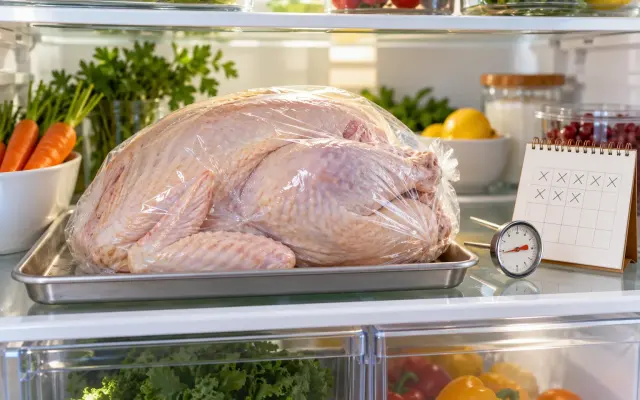
- Slow cooker: 7 to 8 hours on low. Make sure the meat is not from frozen (see how to thaw meat safely).
Troubleshooting
- Still tough after 2 hours: keep simmering; it needs more time, not more heat.
- Dry or stringy: the pot boiled too hard or the cut was too lean.
- Bland sauce: reduce the sauce uncovered at the end and adjust salt and acid.
Try these ideas in ghormeh sabzi or a beef and bean chili.