
Rice feeds more than half of the world’s people. It is a good source of carbohydrates for energy, easy to digest and naturally gluten-free. In Iran, rice is the center of the meal, from plain chelo with kebab to polo with herbs, lentils or barberries. Here is how to choose it, cook it and eat it wisely.
White rice vs brown rice vs basmati
- Brown rice keeps the bran and germ, so it has more fiber, B vitamins, magnesium and manganese, and a slightly lower glycemic index. It takes longer to cook and has a chewier, nuttier taste.
- White rice is milled, so it has less fiber but is softer, cooks faster and is easier on sensitive stomachs. Many white rices are enriched with iron and B vitamins.
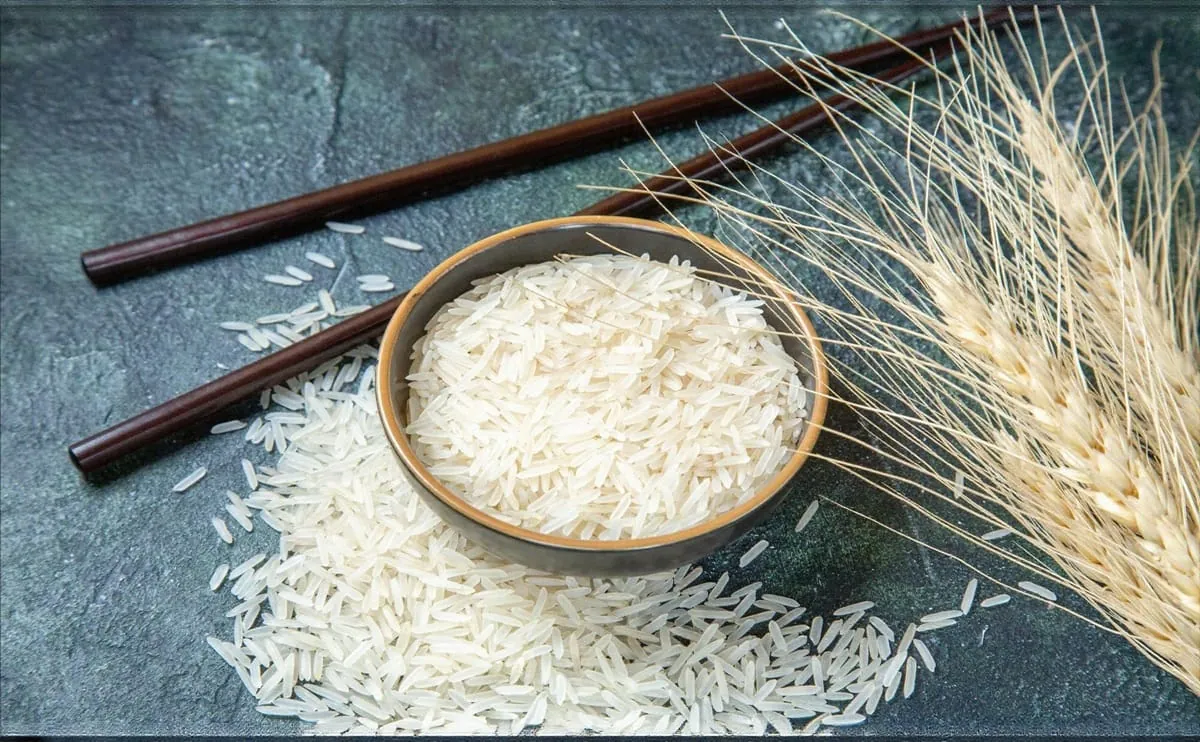
- Basmati rice has long, fragrant grains and a medium glycemic index, lower than most white rice. It is the classic choice for Persian polo.
- Black, red and wild rice add fiber and antioxidants such as anthocyanins.
- Parboiled rice keeps more nutrients and has a lower glycemic index.
Nutrition (cooked, per 100 g, approximate)
- White rice: about 130 calories, 2.7 g protein, 28 g carbohydrate, 0.4 g fiber
- Brown rice: about 120 calories, 2.7 g protein, 25 g carbohydrate, 1.6 g fiber
Benefits
- Steady energy for the body and brain
- Gluten-free, suitable for people with celiac disease
- Gentle on digestion, often used when recovering from stomach upset
- Brown, black and red rice add fiber and antioxidants
Portion and blood sugar tips
- A cooked portion of about 150 g (about 3/4 to 1 cup) is usual for one adult.
- Fill half of the plate with vegetables and add protein such as lentils, chicken, fish or yogurt.
- People with diabetes often do better with brown, basmati or parboiled rice and smaller portions. Check with a doctor or dietitian.
- Cooked rice that has been cooled and reheated contains more resistant starch, which raises blood sugar a little less.
- A splash of vinegar or lemon and plenty of vegetables slow digestion.
How to rinse and cook rice
- Rinse the rice in a bowl with cold water, swishing, until the water runs mostly clear. This removes surface starch so grains do not clump.
- For fluffy basmati by the absorption method, soak for 30 minutes, then use about 1.5 cups of water per cup of rice; for brown rice use 2 to 2.5 cups of water per cup.
- Bring to a boil, cover, reduce to the lowest heat and cook until the water is absorbed: 12 to 15 minutes for white, 40 to 45 for brown.
- Rest off the heat, covered, for 10 minutes, then fluff with a fork.
For Persian-style rice with a golden crust, see our potato tahdig and adas polo.
Cook and store it safely
- Cooked rice can carry Bacillus cereus spores that survive cooking and multiply at room temperature, producing toxins that reheating does not destroy.
- Do not leave rice at room temperature for more than 1 to 2 hours.
- Cool it quickly: spread it in a shallow container, then refrigerate within 1 hour.
- Keep it in the refrigerator for up to 1 to 2 days (some authorities say up to 4), and reheat only once until steaming hot all the way through.
- Cooked rice can also be frozen in portions for up to a month.
Arsenic in rice
Rice absorbs more arsenic from soil and water than other grains, especially brown rice. For most adults eating a varied diet, the amount is not a concern. To reduce it, rinse well, cook rice in plenty of water and drain the extra (the pasta method), vary your grains with bulgur, quinoa, barley and pasta, and give young children and pregnant women a varied diet. Basmati from India, Pakistan or California usually has less arsenic.
Frequently asked questions
Is white rice unhealthy?
No. It is a fine source of energy as part of a balanced meal with vegetables and protein.
Does rinsing remove nutrients?
It removes a little of the added vitamins in enriched rice, but also surface starch, dust and some arsenic.
This is general information, not medical advice.