
Flour is the main ingredient in bread, pizza and pastry, and different flours behave very differently once water is added. White flour is easy to predict; whole wheat, rye, spelt, oat and other high-fiber flours absorb much more water and make a stiffer, drier dough if you use the same recipe. Professional bakers talk about hydration, the weight of water compared with the weight of flour, to control this. These techniques help you get a soft, uniform, fluffy dough even when you blend several flours.
Why flours absorb different amounts of water
- Bran and fiber in whole grain flours are like tiny sponges. They can hold much more water than starch.
- Protein level: bread flour (12 to 14% protein) holds more water than cake or pastry flour (7 to 9%).
- Grind and age: finely milled flour hydrates faster; very fresh stone-ground flour can be thirstier.
- Humidity: flour stored in a dry place absorbs more than flour from a humid kitchen.
Typical hydration by flour (water as a % of flour weight)
- White bread flour: 60 to 70%
- Pizza dough: 60 to 65%
- Whole wheat flour: 70 to 85%
- Rye flour: 75 to 90%
- Spelt: 60 to 70% (it is delicate; do not overwork it)
- Oat, barley, buckwheat and gluten-free blends: vary a lot; follow the specific recipe
A blend of 70% white flour and 30% whole wheat usually needs about 2 to 4 percentage points more water than white alone.
1. Add the liquid gradually
Instead of pouring all the water or milk in at once, keep about 10% back and add it spoon by spoon after the flour has been mixed in for a minute or two. This lets you control the dough’s consistency, so it does not become too dry or too wet, and it works with any flour or any humidity.
2. Adjust the liquid ratio to the flour
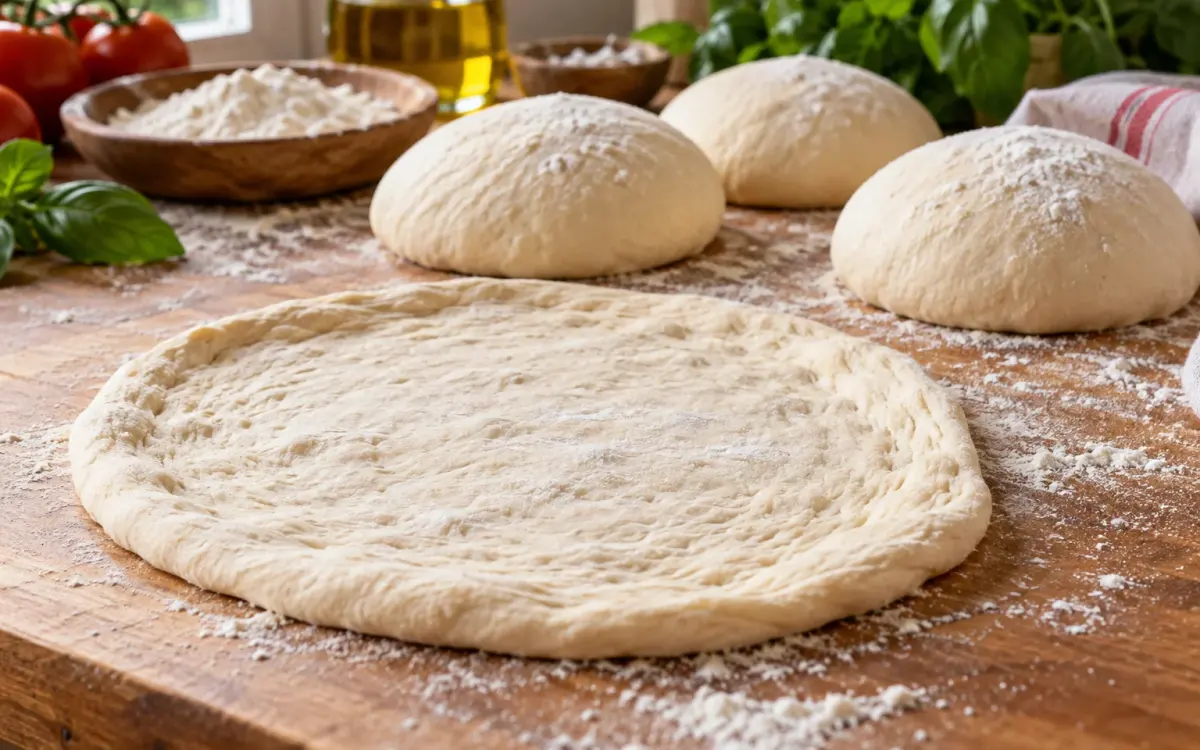
Each flour has its own character. If you notice that your flour absorbs a lot, raise the water slightly, in steps of 2% of the flour weight, until the dough feels soft and slightly tacky, not stiff. A good dough should be as soft as an earlobe and spring back slowly when poked.
3. Use an autolyse or a long rest
Mix only the flour and water and leave them, covered, for 20 to 60 minutes before adding salt and yeast. This lets the bran soften and the flour hydrate fully, which makes gluten form more easily and the dough more uniform and extensible. For flours with high absorption it is the single most useful step.
4. Give the dough enough time to rest
Dough made with whole grain flours needs more time to hydrate than white dough. A longer rest, a bit longer than the usual first hour or even an overnight cold fermentation in the fridge, lets the flour absorb the liquid fully, so you get a softer, more uniform crumb and better flavor. See our pizza dough guide for a slow rise.
5. Knead properly, but not endlessly
Whole grain flours have bran that cuts gluten strands, so they need good kneading to develop strength but also gentle handling. Knead for 8 to 10 minutes by hand, or use the stretch-and-fold method (4 sets of folds every 30 minutes) for wetter doughs. Test with the windowpane: a small piece should stretch thin without tearing.
6. Blend flours in sensible ratios
- Start with 25 to 30% whole grain and 70 to 75% bread flour for a soft loaf with more flavor.
- For a 100% whole wheat loaf, expect a denser crumb and use 80 to 85% hydration, with a long soak.
- Add vital wheat gluten (1 teaspoon per cup of whole grain flour) if you want a lighter crumb.
- Rye has little gluten: keep it to 20 to 30% in wheat breads unless you follow a rye recipe.
7. Use a pre-soak or a scald for the grain
Soaking whole grain flour or cracked grains in hot water overnight (a “soaker” or “scald”) softens bran and gives a moister, softer loaf. Add it to the final dough and reduce the extra water.
8. Weigh, do not scoop
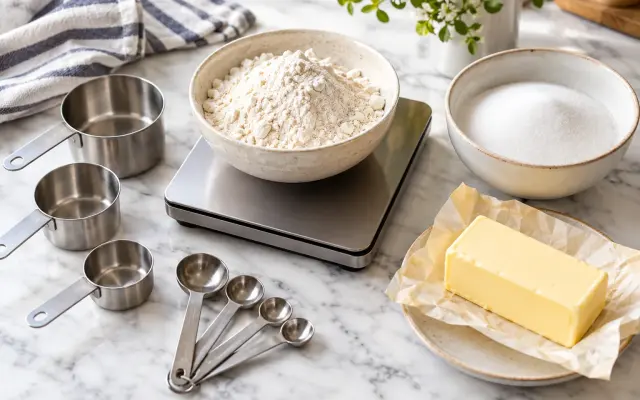
A cup of flour can weigh 120 to 160 grams depending on how you scoop. A kitchen scale gives consistent hydration every time.
Common problems and fixes
- Dry, crumbly dough: add water 1 tablespoon at a time and rest it for 15 minutes.
- Sticky, slack dough: add flour gradually or give it more time; high-fiber doughs often feel stickier early and firm up as they rest.
- Heavy, dense loaf: increase hydration, use a longer rest, or reduce the whole grain percentage.
- Bitter or strong taste: use fresher flour and a slow fermentation; old whole grain flour goes rancid.
Storage of whole grain flours
Whole grain flour contains oils that go rancid. Keep it in a sealed container in the fridge or freezer for up to 6 months.
Frequently asked questions
Can I swap whole wheat flour for white 1:1?
Not exactly. Start by replacing 25 to 30% and add a little more water.
Why is my whole wheat bread dense?
Usually too little water, too little rest or too much whole grain flour.