
Mint is a fragrant herb used in cooking, tea and traditional home remedies for thousands of years. Its fresh, cooling aroma comes from menthol and other natural oils. It is easy to grow, cheap to buy and one of the most useful herbs in Persian, Middle Eastern, Indian and Mediterranean kitchens.
Spearmint vs peppermint
- Spearmint (the common garden mint, nana in Persian) is sweet and mild. It is the mint used in most cooking, salads, yogurt dishes and Moroccan tea.
- Peppermint is a cross of spearmint and water mint. It has much more menthol, so it tastes stronger and colder. It is used in teas, sweets and the oil capsules studied for digestion.
Possible benefits
- Digestion: mint, especially peppermint tea, may ease bloating, indigestion and mild stomach cramps by relaxing the muscles of the gut. Enteric-coated peppermint oil capsules have good evidence for easing irritable bowel syndrome (IBS) symptoms in adults.
- Nausea: the smell and taste of mint can help mild nausea for some people.
- Headache comfort: the cooling aroma, and peppermint oil rubbed on the temples, can feel soothing during tension headaches, although it does not cure migraine.
- Fresh breath: chewing a few fresh leaves freshens the mouth for a short time; it does not fix the cause of bad breath.
- Cooling and refreshing: mint drinks and yogurt dishes are popular in hot weather.
- Antioxidants: mint contains plant compounds such as rosmarinic acid, but we eat small amounts.
How to make fresh mint tea
- Rinse a small handful (about 10 to 15 sprigs) of fresh mint.
- Bruise the leaves gently with your fingers to release the oils.
- Pour 500 ml of just-boiled water over them and steep for 5 to 7 minutes.
- Strain and add honey or lemon if you like. Drink warm or chill it with ice.
Dried mint works too: use 1 teaspoon per cup.
Mint in Persian cooking
- Na’na dagh: dried mint fried briefly in oil until fragrant, poured over ash reshteh and kashk-e bademjan. Fry it for only a few seconds; it burns quickly.
- Mast-o-khiar and doogh: dried mint with yogurt, cucumber or the salty yogurt drink.
- Sabzi khordan: the fresh herb plate served with meals, with mint, basil, tarragon and radishes.
- Salads and sharbat: fresh mint in Shirazi salad and in cold drinks such as sekanjabin (vinegar-mint syrup).
More easy ways to use mint
- Tabbouleh, fattoush and grain salads
- Peas, lamb and roasted carrots
- A few leaves in water, lemonade or a pomegranate mint punch
- Fruit salads with watermelon, berries or mango
Growing and storage
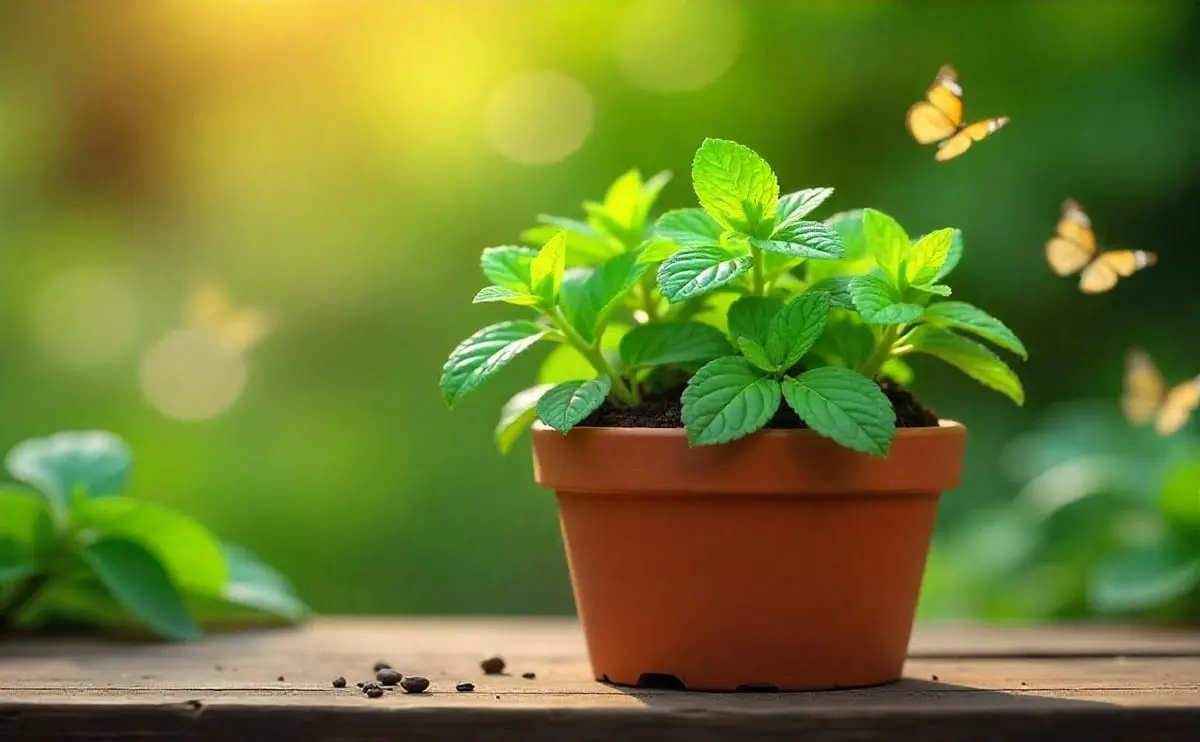
Mint grows quickly and spreads, so grow it in a pot. Keep stems in a glass of water in the refrigerator, loosely covered, or wrap the leaves in a damp paper towel inside a container; it keeps for about a week. Dried mint keeps for months in a closed jar away from light. To dry mint, hang small bunches upside down in a dry, airy place for 1 to 2 weeks.
Who should be careful
- People with acid reflux (GERD) may find that peppermint relaxes the valve at the top of the stomach and makes heartburn worse.
- Peppermint oil is very concentrated. Never give it to babies or young children, and do not apply it to their face or chest.
- Peppermint oil capsules can interact with some medicines; ask your doctor or pharmacist first.
- If you are pregnant, normal food amounts are fine; ask your doctor before using medicinal amounts.
In normal food amounts mint is generally safe.
Frequently asked questions
Is dried mint as good as fresh?
For cooked dishes and yogurt, dried mint is often better and more aromatic. For salads and drinks, use fresh.
Can I drink mint tea every day?
Yes, for most people a few cups a day is fine, unless it worsens heartburn.
This is general information, not medical advice.