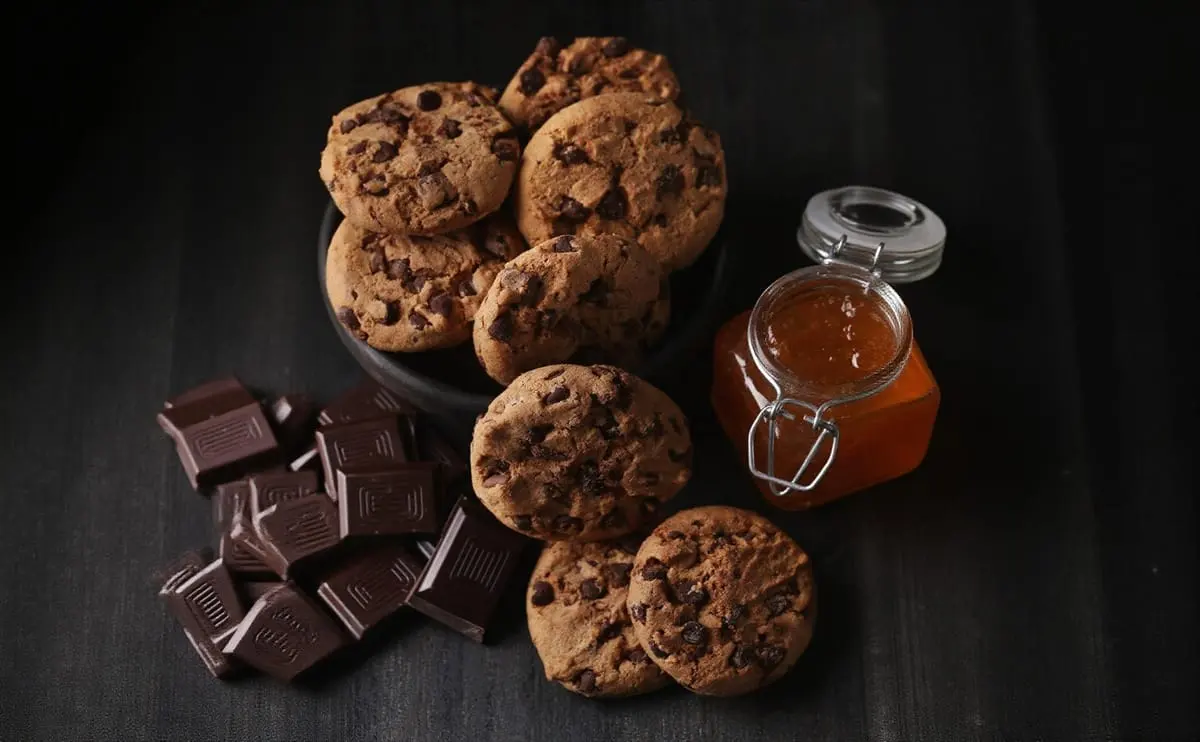
The chocolate chip cookie is one of America’s favorite sweets, and its story begins in a small Massachusetts inn. It is a tale of a clever cook, a baking experiment and a famous brand, and it explains why the recipe on the back of the chocolate bag is still baked by families around the world.
Ruth Wakefield and the Toll House Inn
Ruth Graves Wakefield ran the Toll House Inn, near Whitman, Massachusetts, with her husband Kenneth, after buying it in 1930. The building was a former toll house on the road between Boston and New Bedford, where travelers paid and rested their horses, hence the name. She was a trained dietitian and teacher, known for her desserts, and travelers came to the inn for her cooking.
The story of the “accident”
The popular version says that around 1938 Wakefield was making a butter drop cookie (the “Butter Drop Do” recipe) that normally used melted baker’s chocolate to make chocolate cookies. She ran out, so she chopped a bar of Nestlé semi-sweet chocolate into pieces and mixed it into the dough, expecting the chocolate to melt through. Instead the pieces softened but kept their shape, and the chocolate chip cookie was born.
Some historians doubt that it was a pure accident. Wakefield was an experienced baker and may well have created the cookie on purpose. Either way, she is credited as its inventor.
From inn to supermarket
Her “Toll House Crunch Cookies” became so popular that a chocolate maker saw sales of its bars rise. In 1939, Nestlé reached an agreement with Wakefield to print her recipe on its packaging and to use the Toll House name, reportedly in exchange for a lifetime supply of chocolate. Nestlé later began selling pre-cut chocolate morsels (chips) in 1939. The recipe on the bag has been baked by generations of families since, and the cookie became a staple during World War II, when care packages carried them to soldiers.
Why the cookie works
- Butter and brown sugar give a rich, caramel-like flavor and chewy centers.
- Chopped chocolate or chips melt into pockets of gooey chocolate while the cookie edges turn golden and crisp.
- Baking soda helps browning and spread.
- A pinch of salt sharpens the sweetness.
Tips for the best chocolate chip cookies
- Soften the butter, do not melt it, unless you want flat, chewy cookies.
- Chill the dough for 24 hours (at least 30 minutes) for deeper flavor and less spreading.
- Use chopped bars or chips. Chopped chocolate bars make puddles of chocolate; chips keep their shape. See our dark chocolate guide to choose a good bar.
- Do not overmix, or the cookies turn tough.
- Bake at 180°C for 10 to 12 minutes until the edges are golden and the centers look slightly underdone; they set as they cool.
- Weigh the flour. One cup of flour should weigh about 125 g; too much makes dry cookies.
- Sprinkle flaky salt on top right after baking.
Variations
- Oats, walnuts or pecans
- Brown butter for a nutty flavor
- A spoonful of tahini or a pinch of cardamom for a Persian-inspired twist
- Pumpkin version: pumpkin chocolate chip cookies
- Holiday version: soft gingerbread cookies
Storage
Keep baked cookies in an airtight container for 5 days, with a slice of bread to keep them soft. Freeze balls of unbaked dough for up to 3 months and bake straight from the freezer, adding 1 to 2 minutes.
Frequently asked questions
Why do my cookies spread too much?
Butter that was too warm, too little flour or not enough chilling.
Who invented the chocolate bar?
Chocolate in solid form was invented in the 19th century; see the story of the Sachertorte for another chocolate tale.