
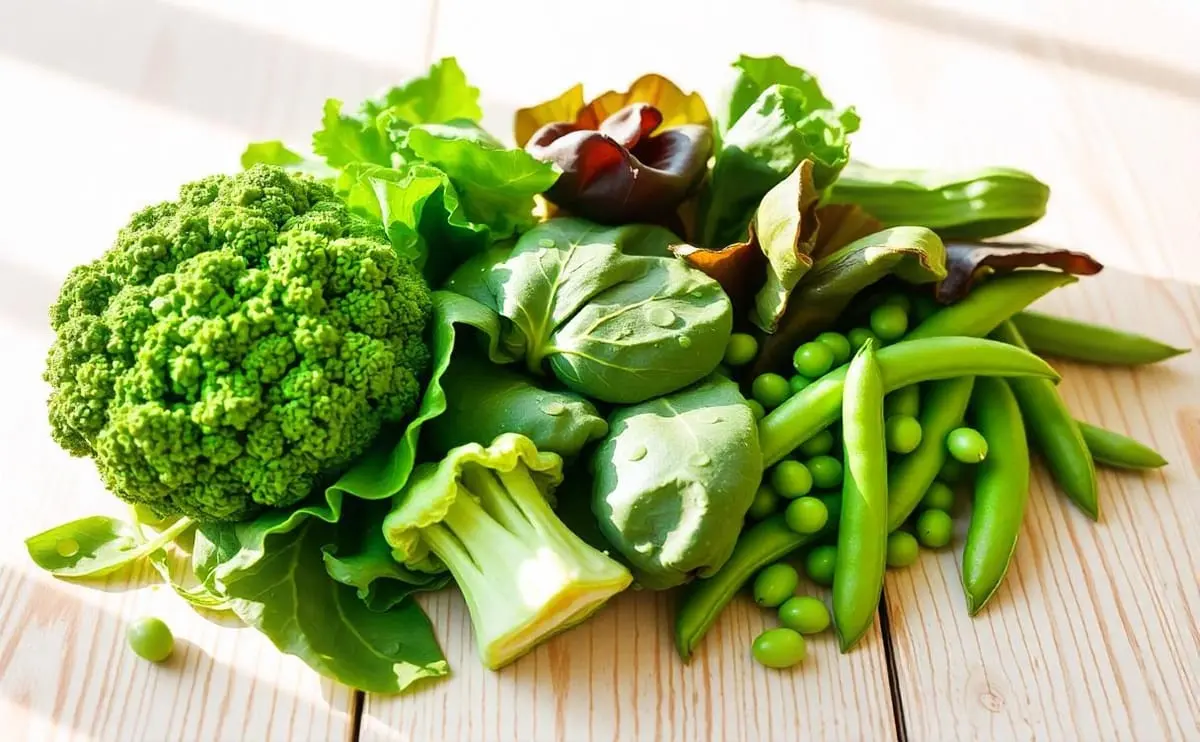
Green vegetables turn dull, olive-colored and soft when they are overcooked. Blanching is the simple restaurant technique that keeps them bright green, crisp and tasty. It means a short dip in plenty of boiling salted water, followed immediately by an ice bath to stop the cooking. It takes only a few minutes and works for side dishes, salads, meal prep and freezing.
What you need
- A large pot of water: at least 4 liters for every 500 g of vegetables
- Salt: about 1 tablespoon per 4 liters
- A large bowl of ice water
- A slotted spoon, spider strainer or colander
- Clean kitchen towels
How to blanch
- Wash and trim the vegetables, and cut them into even pieces so they cook at the same speed.
- Bring the water to a rolling boil and add a generous pinch of salt.
- Prepare a bowl of ice water next to the stove.
- Add the vegetables in small batches so the water stays boiling.
- Cook for the time below, until the color turns bright and they are just tender.
- Lift them out with a slotted spoon and put them straight into the ice water for about the same amount of time, until cold.
- Drain and pat dry well.
Timing for common vegetables
- Green beans: 2 to 3 minutes
- Asparagus: 2 to 3 minutes (thin), 3 to 4 minutes (thick)
- Broccoli florets: 2 minutes
- Cauliflower florets: 3 minutes
- Peas and snow peas: 1 to 2 minutes
- Spinach and chard leaves: 30 seconds to 1 minute
- Kale: 1 to 2 minutes
- Brussels sprouts: 3 to 5 minutes depending on size
- Carrot slices: 2 to 3 minutes
- Zucchini slices: 1 to 2 minutes
- Tomatoes (to peel): 20 to 30 seconds, after cutting a small X in the base
- Almonds (to remove the skin): 1 minute
Why it works
Vegetables are green because of chlorophyll. Short, intense heat releases trapped air from the surface, so the green looks brighter, and it softens the vegetable just enough. Long cooking and acids, such as lemon juice or vinegar added too early, turn chlorophyll olive-brown. The ice bath stops the cooking at once, so the vegetables stay crisp and do not turn mushy. Blanching also stops the enzymes that make frozen vegetables lose color, flavor and texture.
How to freeze vegetables after blanching
- Blanch and chill the vegetables as above.
- Dry them very well with towels.
- Spread them in a single layer on a tray and freeze for 1 to 2 hours.
- Move them to freezer bags, press out the air and label them.
Most blanched vegetables keep their quality in the freezer for 8 to 12 months. Cook them straight from frozen.
Tips
- Use plenty of water. A small pot cools too quickly when the vegetables go in, and they turn dull.
- Keep the lid off. This lets acids escape with the steam and helps the color.
- Salt the water. It seasons the vegetables from the inside.
- Add dressing or lemon juice just before serving, not hours ahead, so the green stays bright.
- Dry the vegetables well before sautéing or dressing them, so the dressing sticks.
- Blanched vegetables keep in the refrigerator for 2 to 3 days in a sealed container lined with a paper towel.
Common mistakes
- Adding too many vegetables at once
- Skipping the ice bath, so the vegetables keep cooking
- Leaving vegetables in the ice water too long, which makes them waterlogged
- Adding baking soda to keep them green: it works, but it destroys vitamins and makes them mushy
Ways to use blanched vegetables
Toss them with olive oil, garlic and lemon just before serving, add them to salads and grain bowls, serve them with dips on a platter, or quickly sauté them in butter. Blanching is also the first step of a perfect green bean casserole.
Frequently asked questions
Does blanching destroy nutrients?
Some water-soluble vitamins, such as vitamin C, are lost, but blanching is short, so losses are smaller than with long boiling.
Can I steam instead of boiling?
Yes. Steam blanching takes about 1.5 times longer but keeps a little more of the vitamins.