




“Superfood” is one of the most popular words in food marketing. Acai bowls, chia seeds, spirulina and kale are sold with promises of fighting aging, boosting immunity and preventing disease. But “superfood” is a marketing term, not a scientific category, and many affordable everyday foods are just as nutritious as the expensive trendy ones. Here is what the word really means and ten nutrient-dense foods worth eating regularly.
What does “superfood” really mean?
There is no official definition. The word usually describes foods that are rich in vitamins, minerals, fiber, healthy fats or plant compounds. In the European Union, food labels cannot use general health promises like “superfood” unless they are backed by an approved, specific health claim. Nutrition scientists agree that health comes from your overall diet, not from one special food.
Ten nutrient-dense foods worth eating
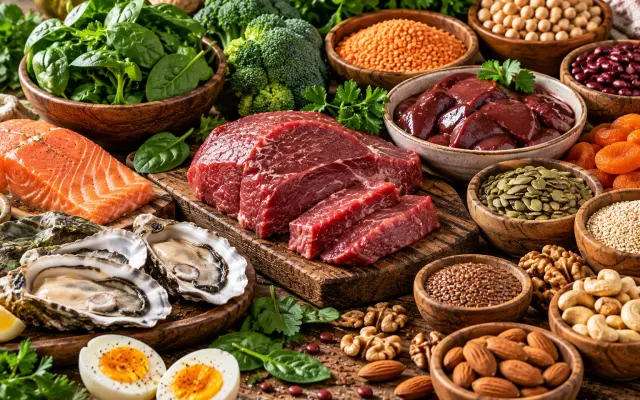
- Lentils, beans and chickpeas: protein, fiber, iron and folate at a low price. Try our red lentil soup.
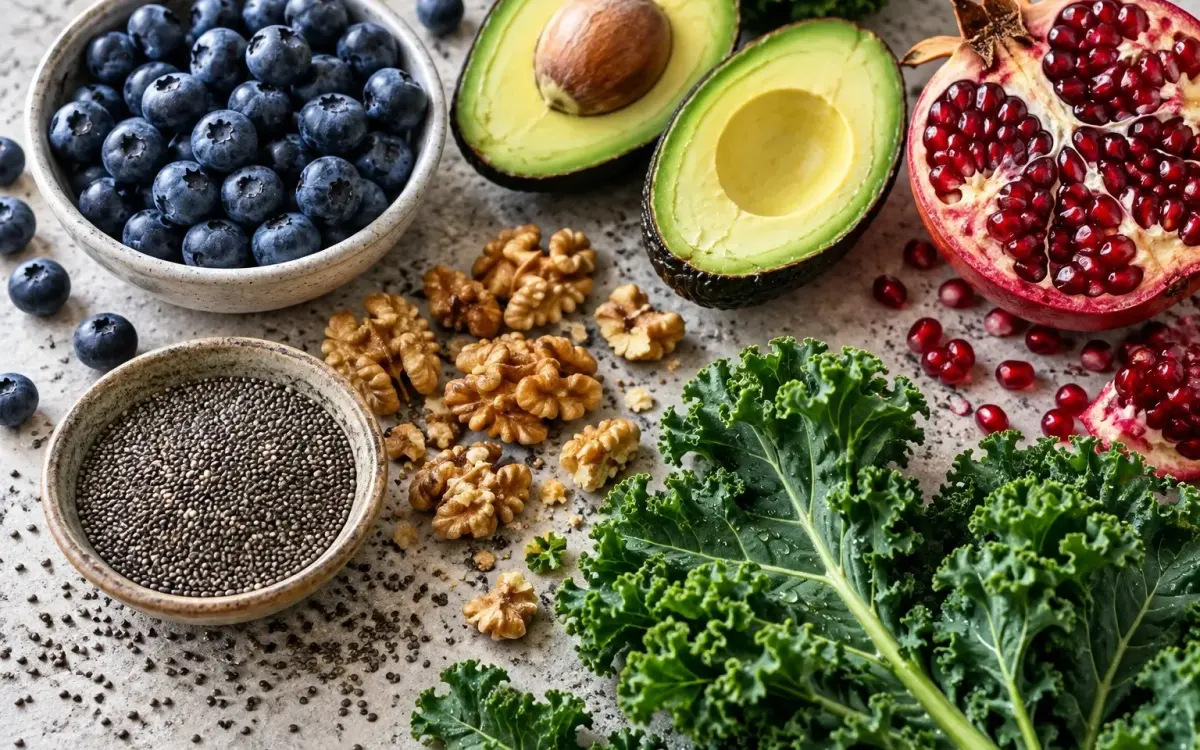
- Leafy greens (spinach, kale, herbs): vitamin K, folate and carotenoids. Persian herb dishes like kuku sabzi are packed with them.
- Berries (fresh or frozen): fiber, vitamin C and anthocyanins.
- Oily fish (salmon, sardines, mackerel): omega-3 fats and vitamin D.
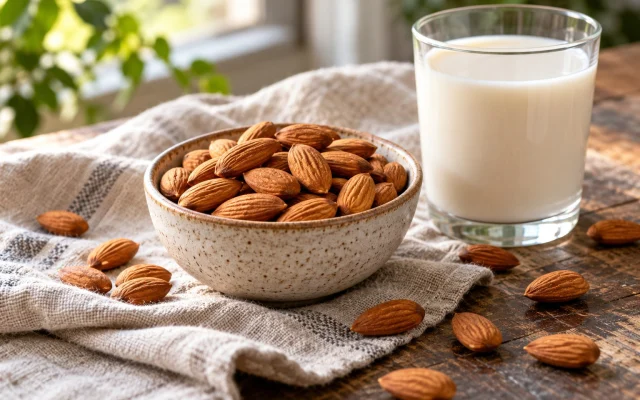
- Nuts (walnuts, almonds, pistachios): healthy fats, protein and fiber; a small handful a day.
- Whole grains (oats, bulgur, brown rice, quinoa): fiber and B vitamins.
- Yogurt and kefir: protein, calcium and live cultures; choose plain.
- Eggs: high-quality protein, choline and vitamin B12.
- Seeds (chia, flax, sesame, pumpkin): fiber, minerals and plant omega-3s.
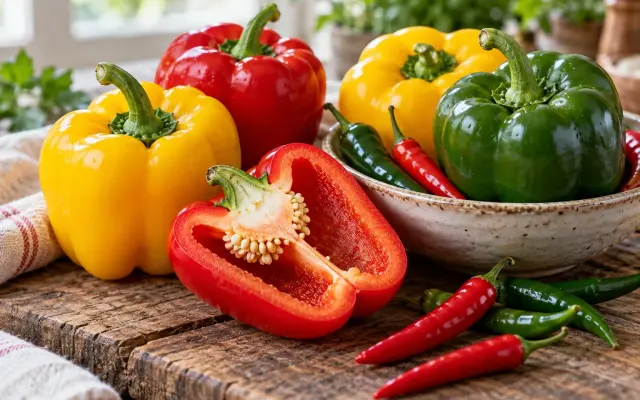
- Colorful vegetables (tomatoes, carrots, peppers, squash): vitamins A and C and fiber.
What about trendy “superfoods”?
- Acai and goji: nutritious berries, but not more powerful than local berries; acai bowls are often high in added sugar.
- Spirulina: provides protein and some minerals, but supplements can be contaminated if poorly made; buy only tested brands.
- Aloe vera drinks: there is little evidence of benefit, and whole-leaf aloe products can cause diarrhea and cramps; they are not recommended in pregnancy.
- Turmeric and green tea: fine in food and drinks, but high-dose supplements have rare safety concerns.
How to eat well without the hype
- Fill half your plate with vegetables and fruit, as the WHO recommends at least 400 g a day.
- Eat legumes and whole grains most days.
- Choose local and seasonal produce; it is often cheaper and just as nutritious.
- Limit sugary drinks, processed meats and salty snacks.
- Be skeptical of any food promoted as a cure.
Sources
- World Health Organization: Healthy diet fact sheet
- European Commission: Nutrition and health claims (Regulation (EC) No 1924/2006)
- USDA FoodData Central (nutrient data)
This article is general information, not medical advice. If you have a health condition, talk to your doctor or a registered dietitian.