

Pasta is one of the most beloved foods in the world, but where did it come from? Some say it was invented in China and brought to Italy by Marco Polo. Others say it was born in Italy. The truth is more interesting: noodles and pasta developed in several places, and the dried pasta we know today is a story of trade, travel and many cultures.
A brief look at pasta’s origins
Noodles are simply dough of flour and water that is cut or shaped and boiled. Because the idea is so simple, it was probably invented more than once. What changed history was drying: dried pasta keeps for months, so it could be carried on ships, caravans and armies.
Noodles in ancient China
In 2005, archaeologists found a 4,000-year-old bowl of noodles buried under sediment at the Lajia site in northwestern China. These ancient noodles were made from millet, not wheat. Chinese texts from the Han dynasty (about 2,000 years ago) mention wheat noodles, called bing in the earliest records, and by the Tang dynasty noodles were a daily food.
Did Marco Polo bring pasta to Italy?
The popular story says that the Venetian explorer Marco Polo brought noodles from China to Italy at the end of the 13th century. Historians reject this. There are records of pasta in Italy before Marco Polo returned in 1295: a Genoese notary document from 1279 mentions a basket of macaroni in a soldier’s belongings. The story was likely popularized in the 20th century, partly by an American trade magazine for pasta makers.
The Italian and Arab story
- Ancient Greece and Rome: sheets of dough called laganon or lagana were baked or fried. These were closer to flatbread or lasagna sheets than to boiled pasta. Claims that Etruscan tombs show pasta-making tools are disputed.
- The Arab world: Arabic and Persian sources describe itriyya, a dried dough shaped into strings. In 1154 the Arab geographer al-Idrisi described the town of Trabia near Palermo in Sicily producing large quantities of dried pasta (itriyya) that was exported to Muslim and Christian lands across the Mediterranean.
- By the 12th to 14th centuries Genoa, Naples and Sicily were major producers of dried pasta, helped by durum wheat and warm dry air for drying.
Persia and the noodle
Noodles reached Persia early. The reshteh (meaning “thread”) is a Persian noodle used in ash reshteh and reshteh polo, and medieval Persian cookbooks mention noodle dishes. Some food historians believe Persian and Arab traders helped carry noodle ideas along the Silk Road between East and West.
How pasta spread and became Italian
- Naples, 17th century: the invention of the pasta press and the use of durum wheat made dried pasta cheap. Neapolitans became known as “mangiamaccheroni” (macaroni eaters).
- Tomato sauce, 18th and 19th centuries: tomatoes from the Americas were not paired with pasta until the 1700s.
- Emigration: millions of Italians took pasta to the US, Argentina and Australia in the late 19th and early 20th centuries.
- Industry: factories and canned sauces made pasta a worldwide staple.
Different noodles, different worlds
- China: wheat noodles, rice noodles and hand-pulled lamian
- Japan: soba, udon and ramen
- Persia and the Middle East: reshteh, shu’ariyya (vermicelli in rice)
- Italy: more than 300 shapes, from spaghetti to orecchiette
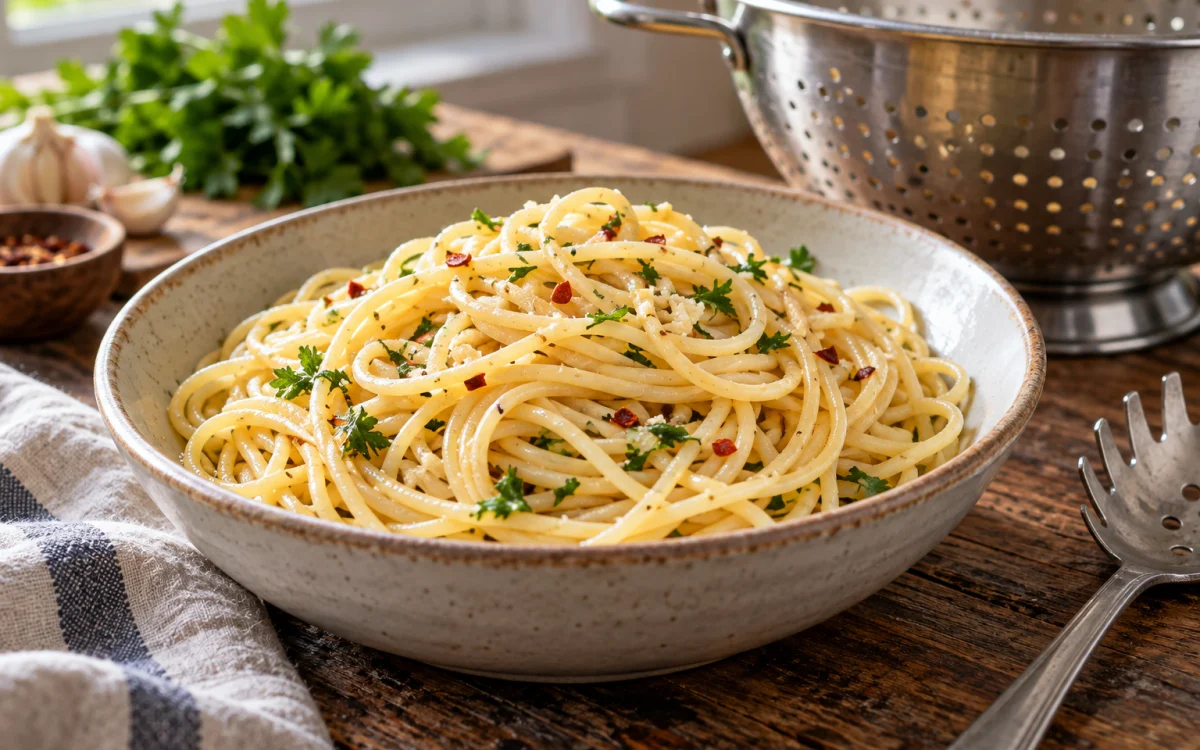
The photo that illustrates this article shows how early noodles and macaroni might have looked when they were first created centuries ago: handmade with simple tools, a reminder of the humble beginnings of one of the world’s most beloved foods.
Cook pasta the Italian way
Learn to cook pasta al dente and keep it from sticking, then try pesto pasta or chicken Alfredo.
Frequently asked questions
So who invented pasta?
Nobody single; noodles developed in China and elsewhere, and dried pasta as we know it was made in Sicily and Italy in the Middle Ages, with Arab influence.
Why is it called macaroni?
The word probably comes from Greek makaria, a barley broth, or from Italian maccare meaning to crush.

Thank you so much for your thoughtful and detailed comment!
our newsletter is much more than just a simple update. Each week, we deliver exclusive recipes, practical tips about ingredients, fascinating behind-the-scenes stories including the origins of various dishes, and detailed insights into the benefits of foods. We also cover nutrition regulations and recommendations from trusted sources like the FDA and other reputable scientific organizations. Plus, we share handy cooking and nutrition tricks to help you cook smarter and live healthier.
This newsletter is sent out weekly to our valued community, and as a token of appreciation for your thoughtful attention, next week’s issue will be sent to you so you can experience the quality and depth of our content firsthand.
We truly appreciate your feedback—it’s exactly the kind of support that helps us grow and improve. Stay tuned!
Thank you so much for your thoughtful feedback!
The newsletter will include a mix of practical and lesser-known tips, exclusive behind-the-scenes content, useful tools, and of course, important updates.
I really like your idea about offering a preview—that’s definitely something I’ll consider.
For me, the most valuable part of the newsletter is building a closer connection with readers and sharing content that’s more in-depth, timely, or hard to come by.
I’d love to hear what kind of content you’d enjoy most or what you’d like to see more of