

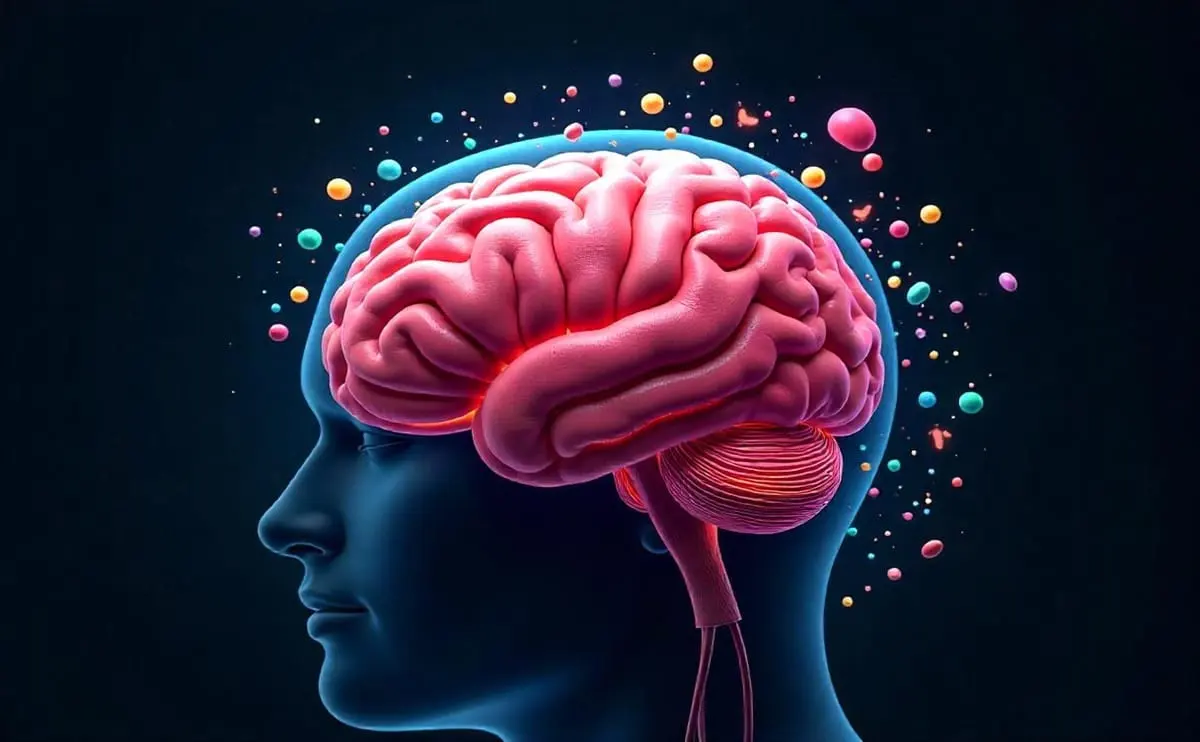
Brain health means that the brain works well for thinking, learning, memory, mood, relationships and movement, and that it can adapt to stress. Nothing guarantees a sharp brain at any age, and genetics play a role, but research agrees that everyday habits make a real difference. Experts estimate that up to about 40% of dementia cases worldwide may be linked to factors we can change, such as blood pressure, hearing loss, smoking and physical inactivity.
8 habits that support the brain
- Move your body. Walking, cycling or swimming for about 150 minutes a week improves blood flow to the brain and supports memory and mood. Add strength exercises twice a week.
- Sleep 7 to 9 hours. Sleep is when the brain clears waste and stores memories. Keep regular bedtimes, limit screens before bed and treat snoring or sleep apnea.
- Eat a Mediterranean-style diet. Vegetables, fruit, whole grains, legumes, nuts, olive oil and fish are linked with better brain aging. The MIND diet, a Mediterranean-DASH mix with berries and leafy greens, is linked with slower memory decline.
- Keep learning. New skills, languages, instruments, reading and puzzles build mental reserve. Variety matters more than one crossword.
- Stay connected. Regular time with friends and family protects mood and thinking; loneliness is a risk factor for memory problems.
- Control blood pressure, blood sugar and cholesterol. What is good for the heart is good for the brain. Have regular checks, especially after age 40.
- Do not smoke, and limit alcohol. Both damage blood vessels and brain cells.
- Protect your head and your hearing. Use helmets and seat belts, and treat hearing loss; both head injury and untreated hearing loss are linked with later memory problems.
Foods worth adding
- Fatty fish (salmon, sardines) twice a week for omega-3 fats
- Berries (blueberries, strawberries) and leafy greens for flavonoids and folate
- Walnuts and other nuts, a handful a day
- Olive oil instead of butter for cooking and dressings
- Whole grains and legumes for steady energy; try chickpeas or lentils
- Eggs for choline; see eggs
- Coffee and tea in moderation; see coffee
- Dark chocolate in small amounts; see dark chocolate
A brain-friendly day
- Breakfast: oats with berries and walnuts
- Lunch: bean or lentil soup with a big green salad and olive oil
- Snack: yogurt or a handful of almonds
- Dinner: baked salmon with vegetables and whole grains
- Evening: a walk, a chat with a friend and a regular bedtime
What to limit
- Ultra-processed foods, sugary drinks and a lot of fried food
- Heavy alcohol, and smoking
- Long periods of sitting; stand up and move every hour
- Chronic stress; try breathing, walking or a hobby
Myths to skip
- “Brain training” apps alone do not prevent dementia; a mix of activities is better.
- Supplements such as ginkgo, fish-oil pills or vitamins have not been shown to prevent dementia in healthy people; food sources are better.
- Memory slips with age are normal; losing keys is not dementia, but forgetting what keys are for is.
When to see a doctor
See a doctor if memory loss affects daily life, if you get lost in familiar places, repeat questions, have trouble managing money or words, or if confusion or personality changes appear suddenly. Many causes, such as low vitamin B12, thyroid problems, depression, sleep apnea or medicine side effects, are treatable. Sudden weakness, trouble speaking or a severe headache are emergencies; call for help immediately. See also our guides to anaemia and winter immunity foods.
This article is general information, not medical advice.